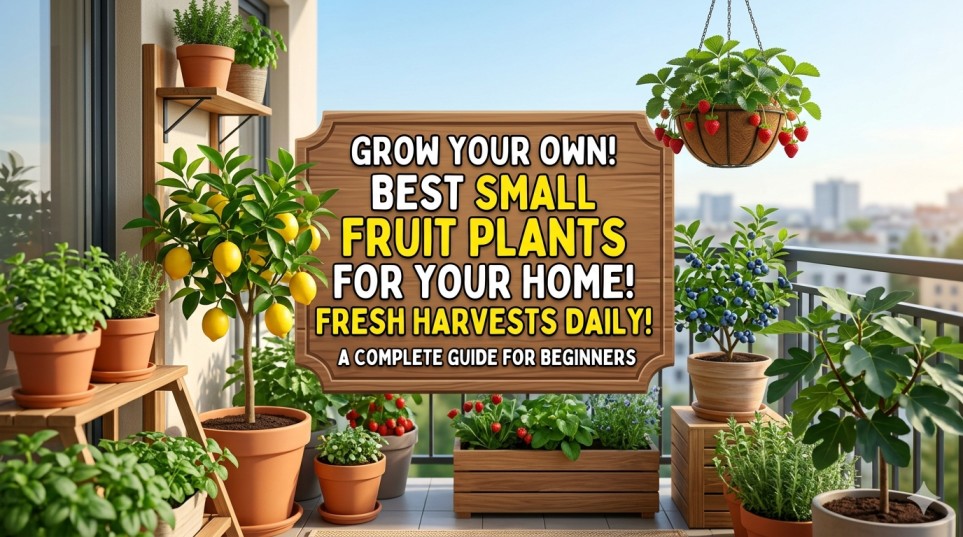
Small Fruit Plants for Home: Transform Your Space into a Mini Orchard
Growing fresh produce in a limited space is now easier than ever, and choosing the right small fruit plants for home is the first step toward a successful harvest. Many people assume they need a massive backyard to grow fruits, but small fruit plants for home can thrive on balconies, patios, or even sunny windowsills. Investing in small fruit plants for home allows you to enjoy organic, chemical-free snacks right at your doorstep. These small fruit plants for home are specifically bred to remain compact while still producing high-quality yields that taste much better than store-bought options. Whether you are a beginner or an experienced gardener, small fruit plants for home offer a rewarding way to connect with nature every day. In this comprehensive guide, we will explore the best varieties of small fruit plants for home and how to care for them properly. By selecting the best small fruit plants for home, you can turn any tiny corner into a productive food forest that provides health and beauty to your living space.
Why You Should Start Growing Small Fruit Plants for Home Today
The primary benefit of cultivating small fruit plants for home is the immediate access to nutrient-dense food that is free from commercial pesticides. Most small fruit plants for home are very low-maintenance, making them perfect for busy urban dwellers who want to stay healthy. Additionally, small fruit plants for home act as natural air purifiers and add a refreshing aesthetic appeal to your home decor. Many varieties of small fruit plants for home are perennials, meaning they will continue to provide harvests for many years with minimal effort. Growing small fruit plants for home is also an educational activity for children, teaching them about where their food comes from. Furthermore, the small fruit plants for home that we recommend are hardy and adaptable to different indoor or outdoor light conditions. If you want to reduce your carbon footprint, starting with small fruit plants for home is a fantastic way to contribute to a greener planet.
Top 5 Varieties of Small Fruit Plants for Home Success
When searching for the best small fruit plants for home, dwarf varieties are always the most reliable choices for container gardening. Dwarf citrus trees are incredibly popular small fruit plants for home because they offer fragrant blossoms and juicy fruits throughout the year. Another excellent addition to your small fruit plants for home collection is the everbearing strawberry, which fits perfectly in hanging baskets. Blueberries are also top-tier small fruit plants for home because they grow beautifully in pots with acidic soil. For those with vertical space, climbing varieties of small fruit plants for home like dwarf grapes can be very productive. Lastly, figs are considered very tough small fruit plants for home that can handle a bit of neglect while still delivering sweet treats. These small fruit plants for home ensure that no matter how small your living area is, you can still be a fruit grower.
| Plant Name | Major Benefit |
|---|---|
| Dwarf Lemon | Year round harvest |
| Everbearing Strawberry | Saves floor space |
| Dwarf Blueberry | High antioxidants |
| Bush Pomegranate | Very hardy nature |
How to Choose the Right Container for Small Fruit Plants for Home
Selecting the correct pot is crucial for the root health of your small fruit plants for home, especially in restricted urban environments. Terracotta pots are often recommended for small fruit plants for home because they allow the roots to breathe and prevent waterlogging. However, lightweight plastic containers are also great for small fruit plants for home if you need to move them around to follow the sun. Ensure that every container for your small fruit plants for home has adequate drainage holes at the bottom. The size of the pot should match the expected growth of your small fruit plants for home to prevent them from becoming root-bound. Using high-quality potting mix instead of garden soil is vital for small fruit plants for home to get the right nutrients and aeration. Investing in good containers is a one-time expense that guarantees the long-term survival of your small fruit plants for home.
Essential Sunlight Requirements for Small Fruit Plants for Home
Most small fruit plants for home require at least six to eight hours of direct sunlight every day to produce sweet and juicy fruits. If your balcony is shaded, you should look for small fruit plants for home that can tolerate partial light, such as certain berry varieties. For indoor small fruit plants for home, placing them near a south-facing window is usually the best strategy for success. If natural light is limited, you can use LED grow lights to supplement the energy needs of your small fruit plants for home. Lack of light can lead to leggy growth and no fruit production in your small fruit plants for home. Always monitor how the sun moves across your space before deciding where to place your small fruit plants for home. Proper lighting is the secret ingredient that turns your small fruit plants for home into high-yielding mini-orchards.
| Light Condition | Plant Response |
|---|---|
| Full Sun | Maximum fruit yield |
| Partial Shade | Slower fruit growth |
| Indoor Light | Moderate health needs |
| Artificial Light | Consistent production |
Watering and Humidity Tips for Healthy Small Fruit Plants for Home
Watering is a delicate balance when it comes to maintaining small fruit plants for home in pots, as both overwatering and underwatering can be fatal. You should check the moisture level of the soil for your small fruit plants for home daily by sticking your finger an inch deep into the dirt. Most small fruit plants for home prefer consistently moist but not soggy soil to keep their roots healthy. During hot summer days, your small fruit plants for home might need watering twice to prevent wilting. Tropical small fruit plants for home like citrus often appreciate a bit of misting to keep the humidity levels high. Using self-watering pots can be a lifesaver for small fruit plants for home if you travel frequently for work. Mastering the art of watering will ensure that your small fruit plants for home stay vibrant and productive for many seasons.
The Importance of Pruning Your Small Fruit Plants for Home
Pruning is an essential maintenance task that keeps your small fruit plants for home compact and encourages the growth of new fruiting wood. By removing dead or diseased branches, you allow your small fruit plants for home to direct all their energy into fruit production. The best time to prune most small fruit plants for home is in the late winter or early spring before new growth starts. Always use sharp and clean tools when trimming your small fruit plants for home to prevent the spread of infections. Proper pruning also improves air circulation around the foliage of your small fruit plants for home, reducing the risk of mold. You don’t need to be an expert to prune small fruit plants for home; just focus on maintaining a balanced and open shape. Regular trimming is what keeps your small fruit plants for home looking neat and professional in a small living space.
| Pruning Goal | Expected Result |
|---|---|
| Removing Deadwood | Prevents plant disease |
| Thinning Fruit | Larger individual fruits |
| Heading Back | Bushier plant shape |
| Cleaning Tools | Healthy growth cycle |
Best Fertilizers to Use for Small Fruit Plants for Home
Since the soil volume in pots is limited, your small fruit plants for home rely entirely on you for their nutritional needs throughout the year. Using an organic liquid fertilizer every two weeks is a great way to boost the growth of your small fruit plants for home. Look for fertilizers that are high in potassium, as this nutrient is essential for small fruit plants for home to develop flavorful fruits. Avoid over-fertilizing your small fruit plants for home with nitrogen, as this might result in lots of leaves but very little fruit. Adding a layer of organic compost to the top of the soil for your small fruit plants for home provides slow-release nutrients. It is also a good idea to refresh the top few inches of soil for your small fruit plants for home every spring. Providing the right “food” ensures that your small fruit plants for home have the stamina to produce a heavy harvest.
Common Pests and Diseases in Small Fruit Plants for Home
Even though they are kept in a controlled environment, small fruit plants for home can still be targeted by pests like aphids or spider mites. Checking the undersides of the leaves on your small fruit plants for home regularly will help you catch any infestations early. A simple spray of neem oil or soapy water is usually enough to protect your small fruit plants for home from most common bugs. Good air circulation is the best way to prevent fungal issues in your small fruit plants for home during humid weather. If you notice yellowing leaves on your small fruit plants for home, it might be a sign of a nutrient deficiency or poor drainage. Keeping your small fruit plants for home clean and dust-free also helps in preventing many health problems. Being a vigilant gardener will keep your small fruit plants for home safe and flourishing.
| Common Pest | Simple Treatment |
|---|---|
| Aphids | Strong water spray |
| Spider Mites | Neem oil solution |
| Whiteflies | Sticky trap cards |
| Scale Insects | Manual removal check |
Harvesting Your Bounty from Small Fruit Plants for Home
There is nothing more satisfying than picking a ripe fruit directly from your own small fruit plants for home after months of careful care. Most fruits on small fruit plants for home will signal their ripeness through a change in color and a slight softening of the skin. It is better to harvest from your small fruit plants for home early in the morning when the fruit is at its coolest and freshest. Using scissors to snip the fruit from your small fruit plants for home prevents damage to the delicate branches. Don’t be discouraged if the first harvest from your small fruit plants for home is small; the yield will increase as the plant matures. Sharing the harvest from your small fruit plants for home with friends and family is a wonderful way to celebrate your success. Each bite of fruit from your small fruit plants for home will remind you why urban gardening is such a fantastic choice.
| Harvest Sign | Required Action |
|---|---|
| Deep Color | Check for firmness |
| Sweet Aroma | Pick immediately now |
| Easy Detach | Twist gently away |
| Soft Texture | Ready for eating |
Conclusion: The Future of Gardening with Small Fruit Plants for Home
In conclusion, incorporating small fruit plants for home into your living space is one of the most rewarding and healthy decisions you can make. As we have discussed, small fruit plants for home are perfectly suited for modern apartment living and provide a sustainable source of fresh produce. By choosing the right varieties of small fruit plants for home and providing consistent care, you can enjoy an abundance of flavor in a tiny footprint. We hope this guide has inspired you to start your journey with small fruit plants for home and experience the joy of home-grown fruits. Remember that the key to success with small fruit plants for home is patience, observation, and a bit of daily attention. Whether you start with a single lemon tree or a collection of berries, small fruit plants for home will brighten your environment and your plate. The trend of growing small fruit plants for home is only going to grow as more people realize the value of self-sufficiency. Start small, dream big, and let your small fruit plants for home bring a taste of the orchard into your very own home today!