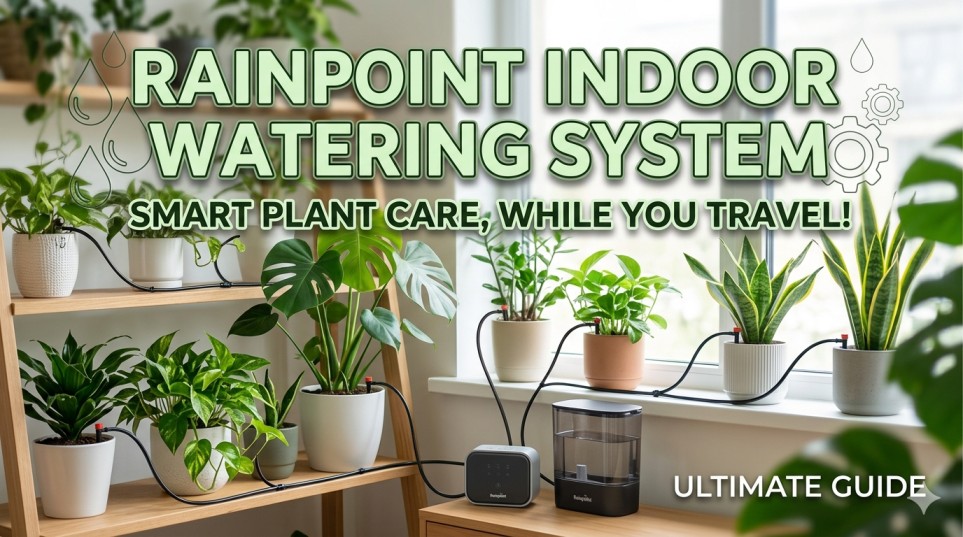
Rainpoint Indoor Watering System: Effortless Plant Care for Modern Homes
Introduction to the Rainpoint Indoor Watering System
Keeping house plants healthy can be a demanding task for busy individuals, but the rainpoint indoor watering system offers a reliable and automated solution for consistent hydration. Many indoor gardeners struggle with overwatering or underwatering, yet the rainpoint indoor watering system eliminates this guesswork by delivering precise amounts of water directly to the roots. Whether you are traveling for business or simply have a hectic daily schedule, the rainpoint indoor watering system ensures that your green friends never wilt in your absence. This compact and efficient rainpoint indoor watering system is designed to manage multiple plants simultaneously, making it a favorite for apartment dwellers and office workers alike. By integrating a rainpoint indoor watering system into your home, you are investing in the long-term health and vibrancy of your indoor jungle. This guide will provide a deep dive into the features and benefits of using a rainpoint indoor watering system for your daily gardening needs. Let us explore how the rainpoint indoor watering system stands out as a leader in the world of smart home irrigation technology. Understanding the mechanics of the rainpoint indoor watering system is the first step toward stress-free plant ownership.
Why Every Plant Lover Needs a Rainpoint Indoor Watering System
The primary advantage of the rainpoint indoor watering system is its ability to save time while maintaining a perfect environment for sensitive tropical plants. Traditional manual watering is often inconsistent, but a rainpoint indoor watering system provides a steady rhythm that mimics natural rain cycles. Many people choose the rainpoint indoor watering system because it is incredibly easy to set up without requiring professional plumbing or complex tools. Because the rainpoint indoor watering system uses a pump mechanism, it can draw water from any bucket or reservoir you provide. This flexibility makes the rainpoint indoor watering system highly portable and suitable for different areas of your living room or kitchen. Furthermore, the rainpoint indoor watering system helps prevent common soil diseases caused by stagnant water or uneven moisture distribution. Once you experience the convenience of a rainpoint indoor watering system, you will wonder how you ever managed your garden without it.
Core Features Comparison
| System Component | Primary Benefit |
|---|---|
| Programmable Timer | Allows for precise watering intervals and duration |
| Dual Power Options | Works with both batteries and USB power sources |
| Customizable Tubing | Can be cut to reach plants at different heights |
| Quiet Pump Motor | Ensures the device runs without disturbing the peace |
| Anti-Siphoning Design | Prevents water from leaking when the pump is off |
Installation and Setup of Your Watering Device
Setting up your rainpoint indoor watering system is a straightforward process that begins with mapping out where your plants are located. You will need to measure the distance between your water source and each pot to ensure the rainpoint indoor watering system tubing reaches every target. Cutting the tubes to the correct length is essential for the rainpoint indoor watering system to maintain equal pressure across all drip heads. After connecting the joints, you can program the rainpoint indoor watering system to activate at specific times of the day or night. It is important to test the rainpoint indoor watering system for a few minutes to check for any loose connections or leaks in the lines. The rainpoint indoor watering system comes with all the necessary clips and stakes to keep your setup looking neat and professional. A successful installation ensures that your rainpoint indoor watering system will function perfectly for months at a time.
Advanced Programming for Specific Plant Needs
Not all plants require the same amount of moisture, which is why the rainpoint indoor watering system offers flexible programming options for different species. Succulents and cacti might only need the rainpoint indoor watering system to trigger once a week for a very short duration. On the other hand, ferns and peace lilies may require the rainpoint indoor watering system to run more frequently to keep the soil consistently damp. By adjusting the settings on your rainpoint indoor watering system, you can cater to the specific micro-climates within your own home. The digital interface of the rainpoint indoor watering system is user-friendly and allows for quick adjustments as the seasons change. Using a rainpoint indoor watering system helps you learn more about the water consumption habits of your various botanical collections. Customizing the rainpoint indoor watering system is the best way to ensure every leaf stays green and healthy.
Plant Type Watering Comparison
| Plant Category | Recommended System Setting |
|---|---|
| Tropical Foliage | Frequent short bursts to maintain humidity |
| Desert Succulents | Rare and deep watering sessions for roots |
| Flowering Herbs | Daily morning watering for optimal growth |
| Large Floor Palms | High volume flow to reach deep soil layers |
| Delicate Ivy | Light misting through specialized drip heads |
Maintenance and Troubleshooting Tips
To keep your rainpoint indoor watering system running smoothly, it is vital to clean the water filter at least once every few months. Mineral buildup from tap water can sometimes clog the small emitters of the rainpoint indoor watering system, reducing its overall efficiency. If you notice a decrease in water flow, check the rainpoint indoor watering system tubing for any sharp kinks or blockages that might be hindering the pump. Keeping the water reservoir full is the easiest way to prevent the rainpoint indoor watering system from running dry and damaging the motor. If your rainpoint indoor watering system is battery-operated, always keep a fresh set of spares nearby to avoid interruptions during your vacations. Most minor issues with the rainpoint indoor watering system can be resolved by simply resetting the timer or checking the power source. Regular care extends the life of your rainpoint indoor watering system and protects your plant investment.
The Role of the Rainpoint System in Sustainable Gardening
Using a rainpoint indoor watering system is a great step toward water conservation, as it delivers moisture directly to the soil without any runoff. Conventional watering methods often waste a lot of water, but the rainpoint indoor watering system uses every drop effectively. For those interested in eco-friendly living, the rainpoint indoor watering system allows you to reuse gray water or rainwater collected from outside. By preventing overwatering, the rainpoint indoor watering system also reduces the need for chemical treatments against root rot and fungus gnats. Many urban gardeners find that the rainpoint indoor watering system makes it possible to grow food like herbs and lettuce indoors with minimal waste. The precision of the rainpoint indoor watering system supports a more mindful and balanced approach to home agriculture. Technology like the rainpoint indoor watering system proves that convenience and sustainability can go hand in hand.
Environmental Impact Comparison
| Watering Method | Efficiency Outcome |
|---|---|
| Manual Pouring | High risk of evaporation and water waste |
| Automatic Drip Line | Direct root delivery with zero waste |
| Self-Watering Pots | Good for single plants but lacks control |
| Overhead Misting | Often leads to leaf rot and surface moisture |
| Reservoir Pumping | Recycles water from any container easily |
Choosing the Right Water Source for Your System
The choice of water can affect the performance of your rainpoint indoor watering system and the health of your plants’ roots. Distilled or filtered water is often recommended for the rainpoint indoor watering system to prevent calcium deposits from forming in the lines. If you use tap water, letting it sit for twenty-four hours before filling your rainpoint indoor watering system reservoir helps dissipate chlorine. The rainpoint indoor watering system pump is powerful enough to handle slightly nutrient-rich water if you choose to add liquid fertilizer. However, you must ensure the fertilizer is fully dissolved to avoid clogging the rainpoint indoor watering system internal components. Monitoring the quality of the water in your rainpoint indoor watering system is just as important as monitoring the quantity. Your plants will show their appreciation for the high-quality hydration provided by the rainpoint indoor watering system.
Water Source Quality Comparison
| Water Type | Effect on Equipment |
|---|---|
| Filtered Water | Extends the life of tubing and emitters |
| Hard Tap Water | May cause mineral scale buildup over time |
| Rain Water | Natural nutrients but may contain debris |
| Distilled Water | Purest option for sensitive tropical plants |
| Liquid Fertilizer Mix | Requires regular flushing to prevent clogs |
Maximizing the Life of Your Indoor Plants
While the rainpoint indoor watering system handles the hydration, you should still keep an eye on light levels and temperature for total plant health. The rainpoint indoor watering system works best when combined with a proper potting mix that allows for adequate drainage and aeration. Periodically rotating your plants ensures that they grow evenly while receiving water from the rainpoint indoor watering system. If you move your plants to a different room, the rainpoint indoor watering system can easily be relocated with them due to its lightweight design. Many professional interior decorators use the rainpoint indoor watering system to maintain lush displays in areas that are hard to reach manually. Trusting the rainpoint indoor watering system with your plant care allows you to enjoy the aesthetic benefits of nature without the stress of constant maintenance. The rainpoint indoor watering system is truly a partner in your journey as a plant parent.
Growth Factor Comparison
| Growth Variable | Impact on Plant Health |
|---|---|
| Consistent Moisture | Prevents leaf drop and promotes thick growth |
| Indirect Sunlight | Avoids leaf scorch in sunny window areas |
| Proper Humidity | Essential for keeping tropical ferns happy |
| Seasonal Feeding | Boosts flowers and new leaf production |
| Regular Pruning | Keeps plants bushy and prevents legginess |
Conclusion: The Smart Choice for Indoor Gardening
In conclusion, the rainpoint indoor watering system represents a significant leap forward for anyone passionate about maintaining a beautiful indoor garden with minimal effort. We have discussed how the rainpoint indoor watering system provides precision, reliability, and ease of use that manual watering simply cannot match. By automating your plant care with a rainpoint indoor watering system, you protect your botanical investments from the dangers of neglect or accidental overwatering. The versatility of the rainpoint indoor watering system makes it suitable for a wide variety of plants, from hardy succulents to delicate flowering species. As urban living continues to embrace the concept of indoor greenery, tools like the rainpoint indoor watering system become essential for modern lifestyles. Investing in a rainpoint indoor watering system today means enjoying a lush, vibrant home for many years to come without the daily chores. We hope this comprehensive guide has helped you understand why the rainpoint indoor watering system is the ultimate solution for your indoor irrigation needs. Start your journey toward automated plant care and let the rainpoint indoor watering system do the hard work for you. The peace of mind that comes with a rainpoint indoor watering system is truly priceless for any plant lover.