Hydroponic Gardening for Beginners: The Ultimate Guide to Soil-less Growing
Introduction
Starting a garden without soil might sound like a futuristic concept, but hydroponic gardening for beginners is actually a very accessible and rewarding way to grow fresh food at home. This method uses nutrient-rich water to feed plants directly, making hydroponic gardening for beginners much faster and cleaner than traditional dirt-based farming. In this comprehensive guide, we will explore why hydroponic gardening for beginners is becoming the preferred choice for urban dwellers and sustainability enthusiasts alike. Many people assume that hydroponic gardening for beginners requires expensive laboratory equipment, but you can actually start with very basic household items. We will break down the science, the equipment, and the best plants to ensure your journey into hydroponic gardening for beginners is a total success. By understanding the core principles of hydroponic gardening for beginners, you can enjoy year-round harvests regardless of the weather outside. This hydroponic gardening for beginners walkthrough is designed to take you from a complete novice to a confident indoor farmer in no time at all.
The Core Benefits of Soil-less Farming
One of the biggest reasons to try hydroponic gardening for beginners is the incredible efficiency it offers in terms of water and space management. Traditional gardens waste a lot of water as it soaks into the ground, but hydroponic gardening for beginners recycles water within a closed system, saving up to ninety percent of this precious resource. Furthermore, hydroponic gardening for beginners allows you to grow plants much closer together because the roots don’t have to spread out searching for nutrients. In the world of hydroponic gardening for beginners, you are the master of the environment, meaning you can eliminate the need for harmful pesticides. Many people find that hydroponic gardening for beginners is much easier on the back and knees since there is no weeding or heavy digging involved. As you dive deeper into hydroponic gardening for beginners, you will notice that your plants grow up to fifty percent faster than they would in soil. Every successful hydroponic gardening for beginners project contributes to a more sustainable and self-sufficient lifestyle.
Comparison: Growth Environment
| Growth Factor | System Impact |
|---|---|
| Traditional Soil | Plants must struggle through compact dirt for food |
| Hydroponic Gardening for Beginners | Nutrients are delivered directly to the root zone |
Essential Components You Will Need
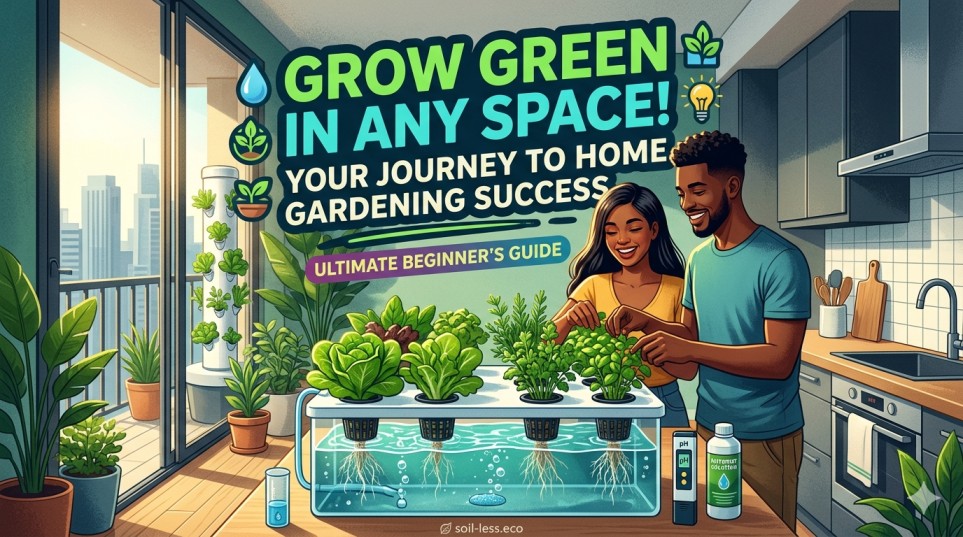
To get started with hydroponic gardening for beginners, you need a few fundamental pieces of equipment that work together to support plant life. The reservoir is the most critical part of hydroponic gardening for beginners, as it serves as the storage tank for your water and nutrients. You will also need a submersible pump for most hydroponic gardening for beginners setups to keep the water moving and prevent stagnation. Net pots are another essential for hydroponic gardening for beginners, providing a home for your plants while allowing roots to dangle into the solution. Choosing a growing medium like clay pebbles or rockwool is a standard step in hydroponic gardening for beginners to provide physical support to the stems. Don’t forget the grow lights if you are doing hydroponic gardening for beginners indoors, as plants still need a reliable source of energy. Monitoring tools like a pH meter are vital for hydroponic gardening for beginners to ensure the water isn’t too acidic or alkaline. Setting up your first hydroponic gardening for beginners kit is a fun DIY project that sets the stage for a lush harvest.
Comparison: Lighting Solutions
| Light Type | Effectiveness |
|---|---|
| Natural Sunlight | Great for balconies but inconsistent in winter |
| Hydroponic Gardening for Beginners LED | Provides specific spectrums for maximum growth |
Top 5 Plants for New Hydroponic Gardeners
Choosing the right crops is a major factor in the success of hydroponic gardening for beginners. Lettuce is widely considered the best plant for hydroponic gardening for beginners because it is very hardy and matures in just a few weeks. Herbs like basil and mint are also perfect for hydroponic gardening for beginners, as they love the constant moisture and produce high yields in small spaces. Spinach is another great choice for hydroponic gardening for beginners, offering nutrient-dense leaves that are much cleaner than store-bought versions. If you want something more substantial, cherry tomatoes can thrive in hydroponic gardening for beginners, provided you give them a bit of structural support. Strawberries are a fun challenge for those moving slightly past the very basics of hydroponic gardening for beginners. By focusing on these easy-to-grow varieties, your hydroponic gardening for beginners experience will be much more rewarding and less frustrating. Every plant you harvest from your hydroponic gardening for beginners system will taste fresher than anything you can find at the market.
Comparison: Difficulty Levels
| Crop Type | Difficulty Rating |
|---|---|
| Leafy Greens | Easiest for first time gardeners |
| Vining Vegetables | Moderate due to size and nutrient needs |
Managing Nutrients and pH Levels
Understanding how to feed your plants is the “secret sauce” of hydroponic gardening for beginners. Since there is no soil to provide minerals, your hydroponic gardening for beginners system relies entirely on the liquid nutrients you add to the water. These hydroponic gardening for beginners solutions typically contain nitrogen, phosphorus, and potassium, along with essential micronutrients. Maintaining the correct pH level is crucial for hydroponic gardening for beginners because if the water is off-balance, the plants cannot “eat” the nutrients. Most plants in hydroponic gardening for beginners prefer a slightly acidic environment, usually between 5.5 and 6.5 on the pH scale. You should check your hydroponic gardening for beginners water daily with a simple digital tester to make sure everything is stable. If the levels drift, hydroponic gardening for beginners kits usually include “pH Up” or “pH Down” solutions to fix the problem quickly. Learning this balance is a fundamental skill in hydroponic gardening for beginners that ensures your plants stay healthy and vibrant.
Different Types of Hydroponic Systems
There are several ways to build a hydroponic gardening for beginners setup, ranging from simple to quite complex. The Wick System is the simplest form of hydroponic gardening for beginners, using a string to pull water up to the roots via capillary action. Deep Water Culture (DWC) is another favorite for hydroponic gardening for beginners, where plants float on a raft with their roots submerged in bubbly water. For those interested in hydroponic gardening for beginners with a bit more tech, the Nutrient Film Technique (NFT) uses a constant stream of water flowing over the roots. Ebb and Flow systems are also popular in hydroponic gardening for beginners, as they periodically flood the root zone and then drain it away. Drip systems are often used in larger hydroponic gardening for beginners projects to deliver precise amounts of water to each individual plant. Each of these hydroponic gardening for beginners methods has its pros and cons, so it is best to start with the one that fits your space. Exploring these different hydroponic gardening for beginners styles allows you to customize your garden to your specific lifestyle.
Comparison: Automation Levels
| System Style | Manual Effort |
|---|---|
| Passive Wick System | Requires very little daily intervention |
| Active NFT System | Requires constant pump and flow monitoring |
Common Mistakes to Avoid
Even with a good guide, hydroponic gardening for beginners can have some pitfalls if you aren’t careful. Over-fertilizing is a common error in hydroponic gardening for beginners, which can lead to “nutrient burn” and kill your seedlings. Another issue in hydroponic gardening for beginners is neglecting the water temperature; if it gets too hot, it won’t hold enough oxygen for the roots. Ignoring light leaks in your hydroponic gardening for beginners reservoir can lead to algae growth, which steals nutrients from your plants. In hydroponic gardening for beginners, failing to clean your system between grows can result in the spread of bacteria or mold. Many people in hydroponic gardening for beginners also forget to prune their plants, which can lead to overcrowding and poor airflow. Being mindful of these small details will make your hydroponic gardening for beginners project much more successful in the long run. Patience is key in hydroponic gardening for beginners, as plants need time to adjust to their water-based home.
Maintenance and Harvesting Your Crops
Keeping your hydroponic gardening for beginners system running smoothly requires a simple weekly routine. You should change the entire reservoir water every two weeks in your hydroponic gardening for beginners setup to keep the nutrient balance fresh. Harvesting in hydroponic gardening for beginners is incredibly satisfying because the plants are so easy to access at waist height. For leafy greens in hydroponic gardening for beginners, you can use the “cut and come again” method to enjoy multiple harvests from one plant. Always use clean shears when working with your hydroponic gardening for beginners plants to avoid introducing any diseases. After a successful harvest, take the time to deep clean all your hydroponic gardening for beginners equipment before starting the next batch. This cycle of growth and maintenance is the heart of the hydroponic gardening for beginners hobby. As you become more proficient at hydroponic gardening for beginners, you will find that the maintenance becomes a relaxing and meditative part of your day.
Comparison: Harvesting Frequency
| Plant Type | Yield Potential |
|---|---|
| Loose Leaf Lettuce | Can be harvested multiple times per month |
| Fruiting Tomatoes | Single large harvest over a longer period |
The Future of Home Gardening
As we look forward, hydroponic gardening for beginners is set to play a huge role in how we think about food in urban areas. With hydroponic gardening for beginners, we can reduce our dependence on long-distance shipping and grocery stores. Many schools are now introducing hydroponic gardening for beginners to teach children about biology and sustainability in a hands-on way. The community of people practicing hydroponic gardening for beginners is growing every day, with forums and social groups sharing advice. Investing in hydroponic gardening for beginners today is an investment in a cleaner and healthier future for your family. We are seeing more smart-home devices that integrate hydroponic gardening for beginners directly into kitchen cabinets. The ease and efficiency of hydroponic gardening for beginners make it the perfect solution for modern living. By mastering hydroponic gardening for beginners now, you are staying ahead of a major global trend toward local food production.
Conclusion
In conclusion, hydroponic gardening for beginners is a transformative way to bring the joy of farming into any living space, regardless of size or climate. This guide has shown that hydroponic gardening for beginners is not only efficient and eco-friendly but also a deeply satisfying hobby that yields high-quality results. Whether you are growing a simple head of lettuce or a complex herb garden, the principles of hydroponic gardening for beginners remain the same: control your nutrients, monitor your pH, and provide plenty of light. We hope this deep dive into hydroponic gardening for beginners has inspired you to set up your first reservoir and start seeds today. As you progress in hydroponic gardening for beginners, don’t be afraid to experiment and find the system that works best for your home. The path of hydroponic gardening for beginners leads to fresher food, a smaller environmental footprint, and a lifelong connection to the magic of growing things. Thank you for choosing this hydroponic gardening for beginners guide as your starting point for a greener life!