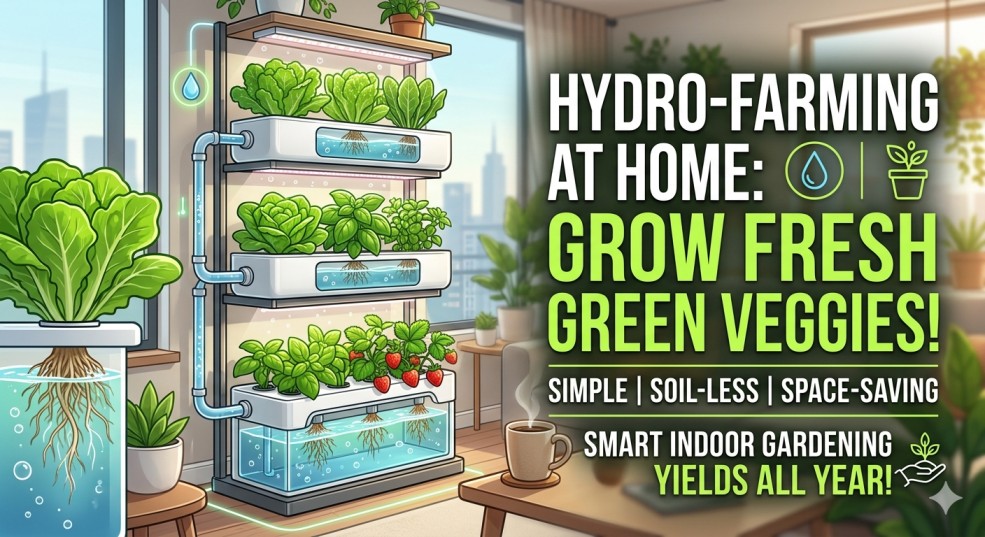
Hydroponic Farming at Home: Transform Your Living Space into a Lush Garden
Introduction
Developing a sustainable lifestyle has never been easier than with hydroponic farming at home. This innovative method of growing plants without soil allows anyone, regardless of their outdoor space, to produce fresh and healthy vegetables right in their kitchen or balcony. In this detailed guide, we will explore how hydroponic farming at home can save water, space, and time while providing a rewarding hobby. For many beginners, the concept of hydroponic farming at home might seem intimidating at first, but with the right tools and a bit of patience, it becomes a simple and efficient process. We will look at the various systems available for hydroponic farming at home and how you can choose the best one for your needs. By the end of this article, you will have all the knowledge required to start your own hydroponic farming at home journey and enjoy a continuous harvest of greens. Embracing hydroponic farming at home is not just about growing food; it is about connecting with nature in a modern, tech-driven way.
Why You Should Start Hydroponic Farming at Home Today
The benefits of hydroponic farming at home are numerous and cater to both the environment and your personal health. One of the primary reasons people choose hydroponic farming at home is the incredible water efficiency, as these systems use up to ninety percent less water than traditional gardening. Furthermore, hydroponic farming at home eliminates the mess of soil and the risk of soil-borne pests, making it a clean choice for indoor environments. In a hydroponic farming at home setup, you have total control over the nutrients your plants receive, resulting in faster growth and higher yields. People living in apartments find hydroponic farming at home especially useful because it utilizes vertical space effectively. Every successful hydroponic farming at home project starts with understanding these core advantages to stay motivated through the learning phase. Ultimately, hydroponic farming at home empowers you to know exactly where your food comes from and how it was grown without harmful chemicals.
Comparison: Space Efficiency
| Method Name | Space Usage |
|---|---|
| Traditional Soil Gardening | Requires large horizontal plots for root expansion |
| Hydroponic Farming at Home | Compact vertical racks allow growth in tiny corners |
Essential Equipment for a Successful Setup
To begin hydroponic farming at home, you need a few specialized items that form the backbone of your growing environment. A sturdy reservoir is the first requirement for hydroponic farming at home, as it holds the nutrient-rich water solution that feeds your plants. You will also need net pots and growing media like clay pebbles or coco coir to support the plants in your hydroponic farming at home system. Air pumps and air stones are vital for hydroponic farming at home because they ensure the water is oxygenated, preventing root rot. If your hydroponic farming at home area lacks natural sunlight, investing in full-spectrum LED grow lights is a necessity for healthy development. Monitoring tools such as pH meters are also part of a professional hydroponic farming at home kit to keep the water balance perfect. While starting hydroponic farming at home requires some initial investment, the long-term savings on groceries make it worthwhile. Proper planning of your hydroponic farming at home equipment ensures that your plants stay vibrant and productive year-round.
Comparison: Initial Setup Costs
| System Component | Cost Level |
|---|---|
| Basic Wick System | Very affordable for starting with a low budget |
| Advanced NFT System | Higher investment for maximum automation and yield |
Choosing the Best Plants for Your Indoor Garden
Not all plants are equal when it comes to hydroponic farming at home, especially for those just starting out. Leafy greens like lettuce and spinach are the champions of hydroponic farming at home because they grow quickly and have simple root structures. Herbs such as basil, mint, and cilantro also thrive in a hydroponic farming at home environment, providing fresh flavors for your cooking. In a hydroponic farming at home setup, you can even experiment with small fruits like strawberries or dwarf tomatoes. However, this hydroponic farming at home guide recommends avoiding heavy root vegetables like carrots unless you have a specialized deep-container system. Selecting the right species for hydroponic farming at home ensures that you don’t get overwhelmed by complex maintenance early on. As you gain more experience with hydroponic farming at home, you can move on to more demanding crops like peppers or cucumbers. The joy of hydroponic farming at home is seeing your favorite greens grow from tiny seeds to a full harvest in just a few weeks.
Comparison: Growth Speed
| Plant Category | Harvest Time |
|---|---|
| Leafy Greens | Ready in four to six weeks from planting |
| Fruiting Crops | Requires eight to twelve weeks to reach maturity |
Step-by-Step Guide to Starting Your First System
Starting hydroponic farming at home is a logical process that begins with choosing a suitable location with good ventilation. Once you have your spot, the next step in hydroponic farming at home is to assemble your reservoir and install the air or water pumps. After setting up the hardware for hydroponic farming at home, you must mix your nutrient solution according to the manufacturer’s instructions. Placing your seeds or seedlings into the net pots with your chosen media is the most exciting part of hydroponic farming at home. You must ensure that the roots are in contact with the water solution as part of your hydroponic farming at home daily check. Monitoring the pH levels of your hydroponic farming at home system every few days is crucial to prevent nutrient lockout. If you are doing hydroponic farming at home indoors, set your grow lights on a timer to mimic a natural day and night cycle. Following these steps for hydroponic farming at home will lead to a successful and healthy indoor garden that provides fresh food for your family.
Maintenance and Nutrient Management
Consistency is the secret to thriving hydroponic farming at home, as plants rely entirely on you for their survival. You should check the water level in your hydroponic farming at home reservoir every morning and top it up with fresh water if needed. Every two weeks, it is a best practice for hydroponic farming at home to completely drain and replace the nutrient solution to prevent salt buildup. Cleaning the pumps and filters in your hydroponic farming at home system helps avoid clogs that could starve your plants of oxygen. In hydroponic farming at home, watching for signs of nutrient deficiency, such as yellowing leaves, allows you to adjust the formula quickly. Keeping the temperature of your hydroponic farming at home water around twenty degrees Celsius is ideal for maximum nutrient uptake. While hydroponic farming at home requires less physical labor than digging in dirt, it does demand regular observation. Mastering these maintenance tasks for hydroponic farming at home will ensure your vertical garden remains lush and green throughout the seasons.
Comparison: Water Maintenance
| Maintenance Task | Frequency Level |
|---|---|
| Daily Monitoring | Checking water levels and pump functionality |
| Bi-Weekly Flush | Completely changing the nutrient solution tank |
Overcoming Common Challenges
Even with the best planning, hydroponic farming at home can present a few hurdles that require quick thinking. Algae growth is a common issue in hydroponic farming at home, but it can be prevented by keeping light away from your water reservoir. Another challenge in hydroponic farming at home is root rot, which usually happens when there is not enough oxygen in the water. If you notice your hydroponic farming at home plants look wilted despite being in water, check your air stone for clogs. In the world of hydroponic farming at home, power outages can be a risk, so having a backup plan for your pumps is a smart move. Pests are rare in hydroponic farming at home, but you should still inspect your leaves regularly for any hitchhikers. Learning how to troubleshoot these hydroponic farming at home issues will make you a more confident and skilled indoor gardener. Every problem solved in hydroponic farming at home is a lesson that leads to better yields in the future.
The Future of Sustainable Urban Living
As our cities grow more crowded, hydroponic farming at home stands out as a viable solution for food security and urban greening. By adopting hydroponic farming at home, individuals can reduce their reliance on industrial supply chains that contribute to pollution. The community aspect of hydroponic farming at home is also growing, with many people sharing their harvests and tips online. In the coming years, hydroponic farming at home technology will likely become even more automated and accessible to the general public. We are seeing a shift where hydroponic farming at home is no longer just a niche hobby but a mainstream way of living. Education about hydroponic farming at home in schools is also helping the next generation understand the importance of water conservation. Investing time in hydroponic farming at home today means contributing to a healthier and more sustainable planet for everyone. The possibilities for hydroponic farming at home are limited only by your imagination and your willingness to try something new.
Comparison: Sustainability Factors
| Resource Type | Environmental Impact |
|---|---|
| Water Usage | Significantly lower compared to field farming |
| Chemical Runoff | Eliminated in closed-loop home systems |
Conclusion
In conclusion, hydroponic farming at home is an incredible opportunity for anyone looking to grow their own fresh produce with minimal space and maximum efficiency. Throughout this guide, we have seen how hydroponic farming at home offers a cleaner, faster, and more sustainable alternative to traditional gardening methods. By choosing the right equipment and plants for hydroponic farming at home, you can create a beautiful indoor oasis that rewards you with nutritious food throughout the year. While hydroponic farming at home requires a bit of a learning curve, the benefits of controlled growth and water savings are well worth the effort. We encourage you to start small with your hydroponic farming at home journey and expand as your skills and confidence grow over time. Remember that hydroponic farming at home is a journey of discovery and a great way to bring the peace of nature into your urban life. Whether you are growing a single head of lettuce or a full herb wall, hydroponic farming at home is a powerful step toward a greener future. Thank you for reading this hydroponic farming at home review and guide, and happy growing!