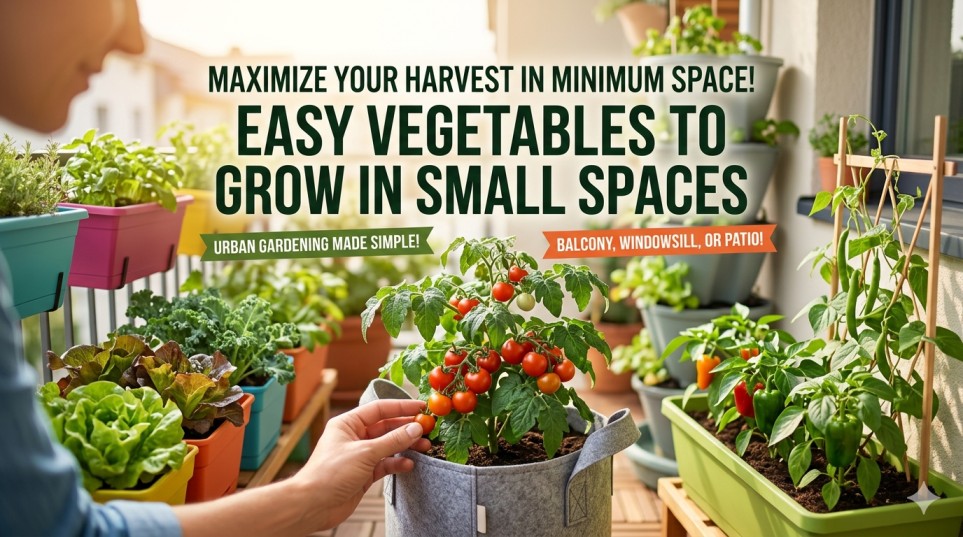
Top Easy Vegetables to Grow in Small Spaces for Urban Gardeners
Living in a crowded city or a small apartment should never stop you from enjoying the pleasure of harvesting your own food, as there are many easy vegetables to grow in small spaces that thrive in containers and vertical setups. Urban gardening has become a massive trend because easy vegetables to grow in small spaces allow individuals to reconnect with nature without needing a massive backyard or expensive farm equipment. By selecting specific varieties of easy vegetables to grow in small spaces, you can turn a tiny balcony, a sunny windowsill, or even a small kitchen corner into a productive green sanctuary. These easy vegetables to grow in small spaces are specifically bred or chosen for their compact growth habits and high yield relative to the limited soil volume they require. Learning about easy vegetables to grow in small spaces empowers you to control exactly what goes into your food, ensuring that your meals are free from harmful pesticides and full of fresh nutrients. This comprehensive guide will walk you through the best easy vegetables to grow in small spaces, providing professional tips on how to maximize your harvest regardless of how little room you have. Starting with easy vegetables to grow in small spaces is the most efficient way to achieve food self-sufficiency in a modern world where space is at a premium.
1. The Rise of Gardening with Easy Vegetables to Grow in Small Spaces
The global shift toward sustainable living has made easy vegetables to grow in small spaces a vital skill for anyone looking to reduce their carbon footprint while enjoying high-quality produce at home. When you focus on easy vegetables to grow in small spaces, you eliminate the need for heavy tilling or large-scale irrigation systems that traditional gardens often demand. Most easy vegetables to grow in small spaces are naturally resilient and can be managed with just a few minutes of daily attention, making them perfect for busy professionals. Because easy vegetables to grow in small spaces are often kept in pots, you have the advantage of moving them to catch the best sunlight throughout the day. The educational value of easy vegetables to grow in small spaces is also significant, as it teaches children about biology and the environment in a hands-on way right inside the home. Furthermore, easy vegetables to grow in small spaces can significantly improve the air quality of your living area while adding a beautiful aesthetic touch to your decor. Investing your time in easy vegetables to grow in small spaces is a long-term commitment to your health and the well-being of the planet.
2. Comparison: Container Types for Small Gardens
| Container Material | Primary Benefit |
|---|---|
| Terracotta Pots | Breathable and prevents root rot |
| Plastic Tubs | Lightweight and retains moisture well |
| Fabric Grow Bags | Allows air pruning of roots |
| Wooden Crates | Excellent for deep root drainage |
3. Leafy Greens: Perfect Easy Vegetables to Grow in Small Spaces
Leafy greens like lettuce, spinach, and kale are among the best easy vegetables to grow in small spaces because they have shallow root systems that don’t require much soil depth. You can plant these easy vegetables to grow in small spaces in long window boxes or even stacked vertical planters to save valuable floor area. One of the most rewarding aspects of these easy vegetables to grow in small spaces is that they grow incredibly fast, often providing a harvestable salad in just a few weeks. These easy vegetables to grow in small spaces are also very forgiving, thriving in partial shade which is common on balconies tucked between tall buildings. By harvesting only the outer leaves, these easy vegetables to grow in small spaces will continue to produce fresh food for your kitchen for several months. The variety of textures and colors found in these easy vegetables to grow in small spaces also makes your mini-garden look vibrant and professional. Including greens in your collection of easy vegetables to grow in small spaces ensures you always have a healthy base for your daily meals.
4. Comparison: Sunlight Needs for Different Crops
| Plant Category | Daily Light Exposure |
|---|---|
| Root Crops | Five to six hours daily |
| Fruiting Crops | Eight to ten hours daily |
| Leafy Crops | Three to four hours daily |
| Herbal Crops | Four to five hours daily |
5. Root Crops that Qualify as Easy Vegetables to Grow in Small Spaces
Radishes and baby carrots are top-tier easy vegetables to grow in small spaces because they grow downwards rather than outwards, saving you a lot of horizontal room. These easy vegetables to grow in small spaces can be planted densely in a single deep pot, allowing you to get a high yield from a very small footprint. Many beginners love these easy vegetables to grow in small spaces because they are rarely bothered by pests that typically attack taller, more exposed plants. When growing these easy vegetables to grow in small spaces, the most important factor is using loose, sandy soil so the roots can expand without hitting hard obstacles. Radishes are particularly famous among easy vegetables to grow in small spaces for being ready to eat in as little as twenty-five days from planting. Even if you only have a single step on a fire escape, these easy vegetables to grow in small spaces can provide a crunchy and nutritious addition to your diet. The versatility of root crops makes them an essential part of any plan involving easy vegetables to grow in small spaces.
6. Comparison: Water Management Strategies
| Irrigation Type | Effectiveness in Small Areas |
|---|---|
| Self Watering Pots | Best for busy individuals |
| Hand Watering | Most precise for mixed pots |
| Drip Systems | Ideal for vertical wall gardens |
| Misting Bottles | Perfect for delicate seedlings |
7. Vertical Champions: Climbing Easy Vegetables to Grow in Small Spaces
Peas and pole beans are fantastic easy vegetables to grow in small spaces because they naturally want to climb upwards, utilizing the empty air space above your pots. By using a simple trellis or even some string, these easy vegetables to grow in small spaces can create a “living wall” that provides both food and privacy for your balcony. These easy vegetables to grow in small spaces are highly productive, with a single plant producing dozens of pods over the course of a growing season. Because they grow vertically, these easy vegetables to grow in small spaces leave the surface of your soil free for planting smaller crops like herbs or radishes underneath. Many gardeners find that these easy vegetables to grow in small spaces are easier to harvest because the pods hang at eye level rather than hiding on the ground. The nitrogen-fixing properties of these easy vegetables to grow all year round also help keep your potting soil healthy for future use. Embracing vertical growth is the smartest way to succeed with easy vegetables to grow in small spaces in a tight environment.
8. Comparison: Vertical Support Methods
| Support Structure | Best Suited Vegetable |
|---|---|
| Bamboo Stakes | Heavy fruiting tomatoes |
| Nylon Netting | Lightweight climbing peas |
| Wire Cages | Bushy peppers or eggplants |
| Trellis Panels | Vining cucumbers or squash |
9. Fruiting Favorites: Compact Easy Vegetables to Grow in Small Spaces
Cherry tomatoes and dwarf peppers have been specially developed to be easy vegetables to grow in small spaces, offering full-sized flavor on miniature plants. Unlike their sprawling farm cousins, these easy vegetables to grow in small spaces stay neat and tidy, making them perfect for a tabletop or a small hanging basket. These easy vegetables to grow in small spaces love the warmth that often reflects off apartment walls, which can actually speed up their ripening process. When you choose these easy vegetables to grow in small spaces, you get to enjoy the luxury of sun-ripened produce that is far superior to anything found in a store. Maintenance for these easy vegetables to grow in small spaces is straightforward, usually requiring just a bit of organic liquid fertilizer once every two weeks. Because they are so visually appealing, these easy vegetables to grow in small spaces often serve as a great conversation starter when friends visit your home. Having fruiting easy vegetables to grow in small spaces brings a sense of accomplishment that is hard to match with any other hobby.
10. Comparison: Nutrient Requirements
| Fertilizer Type | Growth Impact |
|---|---|
| Liquid Seaweed | Boosts overall plant health |
| Slow Release Pellets | Provides steady season long food |
| Compost Tea | Improves soil microbe activity |
| Epsom Salts | Prevents yellowing in peppers |
11. Best Soil and Drainage for Easy Vegetables to Grow in Small Spaces
To ensure success with easy vegetables to grow in small spaces, you must use a high-quality potting mix rather than heavy garden soil which can compact and suffocate roots in a container. Good drainage is the most critical factor for easy vegetables to grow in small spaces, as sitting in water can quickly lead to root rot and plant death. You should always choose containers for your easy vegetables to grow in small spaces that have holes at the bottom to allow excess moisture to escape freely. Adding a layer of perlite or vermiculite to the mix can help keep the soil for your easy vegetables to grow in small spaces light and airy. Because the soil volume is limited, the nutrients in the pots of your easy vegetables to grow in small spaces will be used up faster than in a traditional garden. Regularly refreshing the top layer of soil for your easy vegetables to grow in small spaces with fresh compost will keep your plants thriving all season long. Proper soil management is the foundation of a productive garden filled with healthy easy vegetables to grow in small spaces.
12. Common Challenges with Easy Vegetables to Grow in Small Spaces
One common issue with easy vegetables to grow in small spaces is the soil drying out too quickly on hot days due to the small volume of the containers. To combat this, you can use mulch or self-watering systems to keep your easy vegetables to grow in small spaces hydrated and stress-free. Another challenge for easy vegetables to grow in small spaces is ensuring they get enough airflow to prevent fungal diseases, especially in enclosed balcony areas. Simply spacing your pots of easy vegetables to grow in small spaces a few inches apart can make a massive difference in their overall health. Occasionally, pests might find your easy vegetables to grow in small spaces, but because the garden is small, you can usually manage them by hand or with a simple soap spray. Staying observant and checking your easy vegetables to grow in small spaces daily will help you catch any small problems before they become major disasters. Overcoming these minor hurdles is part of the fun and learning process of mastering easy vegetables to grow in small spaces.
Conclusion
In conclusion, the ability to cultivate easy vegetables to grow in small spaces is a powerful tool that brings the benefits of fresh, organic food to everyone, regardless of their living situation. We have explored how a variety of easy vegetables to grow in small spaces, from leafy greens to vertical climbers, can transform even the most restricted area into a lush and productive garden. By choosing easy vegetables to grow in small spaces, you are taking a proactive step toward a healthier lifestyle and a more sustainable way of living. The success of your garden depends on selecting the right easy vegetables to grow in small spaces and providing them with the consistent care, light, and nutrients they need to flourish. As you gain experience with these easy vegetables to grow in small spaces, you will find that the limitations of your space actually encourage more creative and efficient gardening techniques. We hope this guide on easy vegetables to grow in small spaces has inspired you to start your own urban farming journey today and enjoy the incredible taste of homegrown produce. There is truly nothing more satisfying than harvesting easy vegetables to grow in small spaces that you have nurtured yourself right in the comfort of your own home.