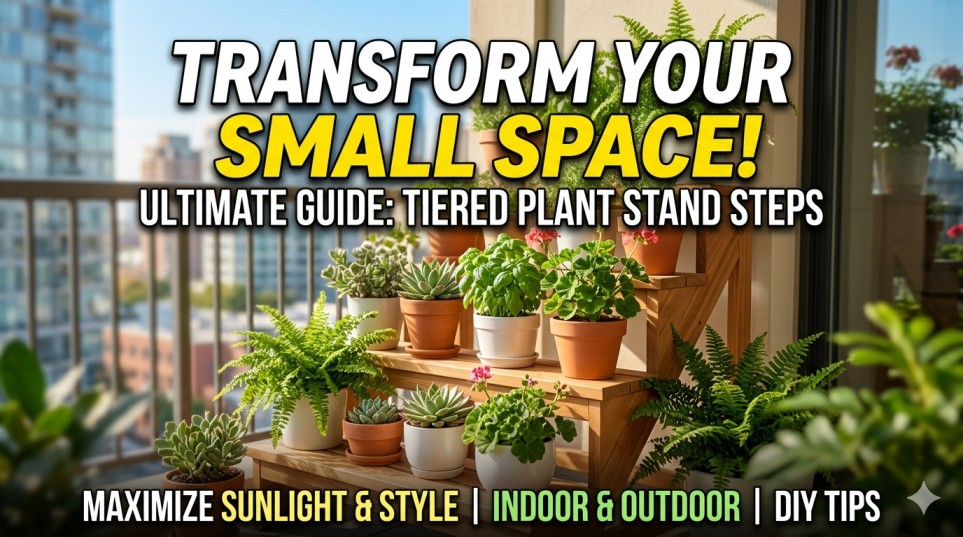
Transform Your Small Space with Tiered Plant Stand Steps: The Ultimate Guide
Introduction
Creating a lush green sanctuary in a limited area requires smart thinking and the right tools, and nothing works better than tiered plant stand steps. Many urban gardeners face the challenge of having too many plants and not enough floor space to display them properly. By using tiered plant stand steps, you can utilize vertical height, ensuring that every succulent, herb, and flower gets the attention and sunlight it deserves. This article explores how tiered plant stand steps can revolutionize your balcony or indoor garden by providing a structured and aesthetic way to organize your collection. We will dive deep into the various materials available, how to choose the right size for your specific needs, and the DIY potential of tiered plant stand steps. Whether you are a beginner or an experienced plant parent, understanding the benefits of tiered plant stand steps is the first step toward a more organized and vibrant home garden environment.
Why You Need Tiered Plant Stand Steps for Vertical Gardening
Vertical gardening is the most effective way to maximize a small footprint, and tiered plant stand steps are the backbone of this technique. Traditional flat shelving often hides smaller pots behind larger ones, but tiered plant stand steps ensure every plant is visible. The staggered design of tiered plant stand steps mimics a natural staircase, allowing light to reach the lower levels that would otherwise be in the shade. When you invest in tiered plant stand steps, you are essentially increasing your square footage without actually moving to a bigger house. Furthermore, tiered plant stand steps make watering much easier because you can access every row without reaching over other plants. For anyone living in an apartment, tiered plant stand steps are not just a luxury; they are a functional necessity for a thriving indoor jungle.
Choosing the Best Material for Your Tiered Plant Stand Steps
The material of your tiered plant stand steps dictates both the durability and the overall look of your garden. Common materials for tiered plant stand steps include wood, metal, and heavy-duty plastic. Wooden tiered plant stand steps offer a rustic and natural feel that blends perfectly with green foliage. However, metal tiered plant stand steps are often preferred for outdoor use because they can withstand rain and wind much better than untreated timber. If you plan to move your plants frequently, lightweight plastic tiered plant stand steps might be the best option for you. No matter which material you pick, ensure that your tiered plant stand steps are treated with a water-resistant coating to prevent rot or rust over time.
Comparison: Wood vs. Metal Frames
| Material Type | Main Benefit |
|---|---|
| Wooden Tiered Plant Stand Steps | Natural Aesthetic |
| Metal Tiered Plant Stand Steps | Weather Resistance |
How to Optimize Sunlight Using Tiered Plant Stand Steps
Sunlight is the most critical factor for plant health, and tiered plant stand steps help you manage it efficiently. Since tiered plant stand steps are built with rising levels, you can place sun-loving plants on the top shelf. The lower levels of the tiered plant stand steps can host plants that prefer indirect light or partial shade. This strategic placement on your tiered plant stand steps ensures that no leaf is left in the dark. If your balcony only gets morning sun, you can easily rotate your tiered plant stand steps to catch the rays. Properly utilized tiered plant stand steps act as a light management system that keeps your garden healthy all year round.
Comparison: Sun Exposure Levels
| Step Level | Light Intensity |
|---|---|
| Top Tiered Plant Stand Steps | Direct Sunlight |
| Bottom Tiered Plant Stand Steps | Filtered Shade |
The Importance of Load Capacity in Tiered Plant Stand Steps
Before purchasing or building tiered plant stand steps, you must consider the weight of your pots and soil. Wet soil is surprisingly heavy, and your tiered plant stand steps must be sturdy enough to handle the total load. If the tiered plant stand steps are too flimsy, they might sag or collapse, damaging your precious plants. High-quality tiered plant stand steps usually specify a weight limit for each individual step. Always check that the base of the tiered plant stand steps is wide enough to prevent tipping during strong winds. Strengthening the joints of your tiered plant stand steps can provide extra peace of mind for those with large ceramic pots.
DIY Tiered Plant Stand Steps: A Weekend Project
Building your own tiered plant stand steps is a rewarding project for any DIY enthusiast. You only need basic tools and some cedar or pine wood to construct functional tiered plant stand steps. Start by measuring the area where the tiered plant stand steps will sit to ensure a perfect fit. Use galvanized screws to assemble your tiered plant stand steps so they don’t rust when you water the plants. Adding wheels to the bottom of your tiered plant stand steps can make the unit mobile for easy cleaning. Once finished, a coat of outdoor paint will make your homemade tiered plant stand steps look professional and stylish.
Comparison: DIY vs. Store Bought
| Option | Key Difference |
|---|---|
| DIY Tiered Plant Stand Steps | Custom Dimensions |
| Retail Tiered Plant Stand Steps | Immediate Setup |
Maximizing Balcony Space with Tiered Plant Stand Steps
Balconies are often narrow, making tiered plant stand steps the perfect furniture choice for outdoor living. By placing tiered plant stand steps against a wall, you leave the center of the balcony open for chairs or a small table. This layout using tiered plant stand steps creates a “green wall” effect that provides privacy from neighbors. You can even use two sets of tiered plant stand steps in the corners to create a wraparound garden feel. The verticality of tiered plant stand steps turns a cramped balcony into a refreshing outdoor retreat. Many people find that tiered plant stand steps are the only way they can grow a full vegetable garden in an apartment setting.
Indoor Decorating with Elegant Tiered Plant Stand Steps
Inside the home, tiered plant stand steps serve as a beautiful focal point in living rooms or kitchens. You can use tiered plant stand steps to create a dedicated herb garden right next to your cooking area. Modern designs of tiered plant stand steps often feature sleek lines and neutral colors that match contemporary furniture. Placing tiered plant stand steps near a window allows indoor plants to thrive while keeping the floor clear of clutter. It is also common to see tiered plant stand steps used to display decorative items alongside plants. The versatility of tiered plant stand steps makes them a favorite among interior designers and plant enthusiasts alike.
Comparison: Indoor vs. Outdoor Use
| Environment | Design Focus |
|---|---|
| Indoor Tiered Plant Stand Steps | Style and Decor |
| Outdoor Tiered Plant Stand Steps | Durability and Size |
Maintenance Tips for Your Tiered Plant Stand Steps
To keep your tiered plant stand steps looking new, regular maintenance is required. Wipe down the surfaces of your tiered plant stand steps once a month to remove dust and water spots. If you have wooden tiered plant stand steps, check for any signs of mold or softening in the wood. Metal tiered plant stand steps should be inspected for chips in the paint that could lead to rust. Using saucers under your pots can protect the tiered plant stand steps from constant moisture contact. Taking care of your tiered plant stand steps ensures they will remain a beautiful part of your home for many years.
Comparison: Longevity Factors
| Action | Result |
|---|---|
| Regular Cleaning of Tiered Plant Stand Steps | Prevents Decay |
| Ignoring Moisture on Tiered Plant Stand Steps | Causes Damage |
Conclusion
In conclusion, incorporating tiered plant stand steps into your gardening routine is one of the smartest decisions you can make for your plants and your home. These tiered plant stand steps provide a unique combination of aesthetic beauty and practical functionality that flat surfaces simply cannot match. Throughout this article, we have seen how tiered plant stand steps help in maximizing sunlight, saving precious floor space, and organizing various plant species in a visually appealing way. Whether you decide to build your own custom tiered plant stand steps or purchase a high-end metal model, the impact on your garden’s health will be immediate and noticeable. By choosing the right tiered plant stand steps, you are investing in a long-term solution for your urban gardening journey. Remember that tiered plant stand steps are more than just shelves; they are a platform for your creativity and a testament to your love for nature. Start your journey today by selecting the perfect tiered plant stand steps and watch your indoor or outdoor garden flourish like never before.