Ultimate Guide to Kitchen Gardening: Grow Your Own Food at Home
Introduction
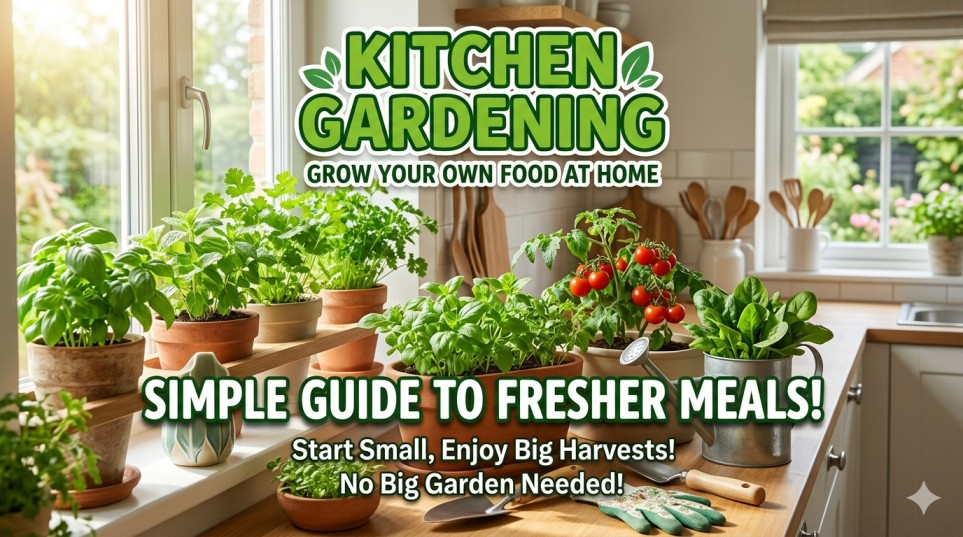
Starting a kitchen gardening grow your own food project is one of the most rewarding decisions you can make for your health and your home environment. Many people believe that they need a massive backyard to begin, but the truth is that kitchen gardening grow your own food can happen on a windowsill, a small balcony, or even a tiny patio. This practice allows you to have total control over what goes into your meals, ensuring that your vegetables are free from harmful chemicals and pesticides. When you commit to kitchen gardening grow your own food, you are not just planting seeds; you are cultivating a lifestyle of sustainability and self-reliance. Freshly harvested herbs and vegetables from your kitchen gardening grow your own food space carry more nutrients and flavor than anything you can buy at a store. Over the next few sections, we will explore the essential steps to master kitchen gardening grow your own food and transform your living space into a productive edible landscape. Let us begin this journey toward a healthier life through kitchen gardening grow your own food.
The Benefits of Kitchen Gardening Grow Your Own Food
The advantages of kitchen gardening grow your own food extend far beyond just having fresh produce within arm’s reach of your stove. One primary benefit of kitchen gardening grow your own food is the significant reduction in your monthly grocery bill as you harvest your own staples. Additionally, engaging in kitchen gardening grow your own food acts as a natural stress reliever, providing a peaceful hobby that connects you with nature daily. When you practice kitchen gardening grow your own food, you reduce your carbon footprint by eliminating the need for long-distance food transportation. Children who participate in kitchen gardening grow your own food are much more likely to eat their vegetables because they helped grow them. Furthermore, kitchen gardening grow your own food ensures that you have access to rare or heirloom varieties that are often unavailable in local markets. The physical activity involved in kitchen gardening grow your own food also helps keep you active and improves your overall well-being. Ultimately, kitchen gardening grow your own food empowers you to take charge of your food security and family nutrition.
Choosing the Right Location for Success
Success in kitchen gardening grow your own food starts with selecting the perfect spot that receives adequate sunlight and ventilation. Most edible plants used in kitchen gardening grow your own food require at least six to eight hours of direct sun to thrive properly. If you have limited space, kitchen gardening grow your own food can be done using vertical planters or hanging pots near a bright window. You must ensure that your kitchen gardening grow your own food area is close to a water source so that maintenance remains easy and consistent. Good drainage is another critical factor for kitchen gardening grow your own food to prevent the roots of your plants from rotting in stagnant water. Consider the wind patterns in your area, as strong gusts can damage the delicate stems of your kitchen gardening grow your own food crops. A well-planned layout for kitchen gardening grow your own food makes it easier to manage pests and monitor growth throughout the seasons. Choosing a convenient location ensures you will stick with your kitchen gardening grow your own food goals for the long term.
Comparison of Sunlight Needs
| Plant Category | Light Requirement |
|---|---|
| Leafy Greens | Partial Shade to Full Sun |
| Root Vegetables | Moderate Direct Sunlight |
| Fruiting Crops | Maximum Direct Sunlight |
| Soft Herbs | Bright Indirect Light |
Essential Tools for Modern Kitchen Gardening
You do not need a shed full of expensive equipment to start your kitchen gardening grow your own food journey today. Basic tools for kitchen gardening grow your own food include a sturdy hand trowel, a watering can with a fine rose, and sharp pruning shears. Quality soil is the foundation of kitchen gardening grow your own food, so investing in a good organic potting mix is highly recommended. For those doing kitchen gardening grow your own food in containers, choosing pots with proper drainage holes is a non-negotiable requirement. Using labels in your kitchen gardening grow your own food containers helps you keep track of planting dates and variety names. Some people also find that moisture meters are helpful for kitchen gardening grow your own food to avoid the common mistake of overwatering. As your kitchen gardening grow your own food setup expands, you might consider small trellises for climbing plants like beans or cucumbers. Having the right tools makes the daily tasks of kitchen gardening grow your own food much more enjoyable and efficient.
Selecting the Best Crops for Beginners
When starting kitchen gardening grow your own food, it is best to begin with crops that are easy to grow and yield results quickly. Herbs like basil, mint, and parsley are perfect candidates for kitchen gardening grow your own food because they grow rapidly in small pots. Leafy greens such as spinach and lettuce are also excellent for kitchen gardening grow your own food as they can be harvested multiple times. If you have a bit more sun, cherry tomatoes are a rewarding choice for kitchen gardening grow your own food enthusiasts due to their high yield. Radishes are perhaps the fastest crop for kitchen gardening grow your own food, often ready to eat in just twenty-five days. You should focus on growing what you actually enjoy eating when planning your kitchen gardening grow your own food layout. Starting small with just three or four varieties helps prevent you from feeling overwhelmed by your kitchen gardening grow your own food project. Over time, you can diversify your kitchen gardening grow your own food garden as your confidence and skills improve.
Comparison of Growth Times
| Crop Name | Days to Harvest |
|---|---|
| Radishes | Twenty to Thirty Days |
| Loose Lettuce | Forty to Fifty Days |
| Bush Beans | Fifty to Sixty Days |
| Cherry Tomatoes | Seventy to Eighty Days |
Soil Preparation and Fertilization Secrets
Healthy soil is the secret ingredient that makes kitchen gardening grow your own food a massive success for any homeowner. For container-based kitchen gardening grow your own food, always use a lightweight potting mix rather than heavy garden soil from the ground. Adding compost to your kitchen gardening grow your own food soil provides essential nutrients and improves the texture for better root growth. You should avoid synthetic fertilizers in your kitchen gardening grow your own food space to keep your produce as natural as possible. Organic liquid seaweed or fish emulsion can be used to boost the growth of your kitchen gardening grow your own food plants during the peak season. Checking the pH level of your soil can also help you tailor your kitchen gardening grow your own food environment for specific vegetable types. Mulching the surface of your kitchen gardening grow your own food pots helps retain moisture and keeps the roots cool during hot days. Investing time in soil health ensures that your kitchen gardening grow your own food efforts result in a bountiful and healthy harvest.
Watering Techniques for Edible Gardens
Proper watering is a skill that every person practicing kitchen gardening grow your own food must master to keep plants thriving. In a kitchen gardening grow your own food setup, it is generally better to water deeply and less frequently than to provide shallow sips every day. You should aim to water the base of the plants in your kitchen gardening grow your own food garden rather than wetting the leaves, which can cause disease. Early morning is the best time for watering your kitchen gardening grow your own food containers to allow excess moisture to evaporate. During extreme heat, your kitchen gardening grow your own food pots may need a second check in the late afternoon to prevent wilting. Consistent moisture is especially important for kitchen gardening grow your own food crops like cucumbers and tomatoes to prevent fruit cracking. If you are traveling, self-watering stakes can be a lifesaver for your kitchen gardening grow your own food plants while you are away. Understanding the specific thirst of each plant makes kitchen gardening grow your own food a much more predictable and successful endeavor.
Comparison of Watering Needs
| Plant Type | Watering Frequency |
|---|---|
| Succulent Herbs | Low and Infrequent |
| Leafy Vegetables | Consistent and Moist |
| Root Crops | Deep and Periodic |
| Large Fruit Crops | High and Regular |
Managing Pests and Diseases Naturally
Maintaining a kitchen gardening grow your own food space without harsh chemicals requires a proactive and natural approach to pest management. Companion planting is a brilliant strategy for kitchen gardening grow your own food where you grow certain plants together to repel harmful insects. For example, planting marigolds in your kitchen gardening grow your own food area can help keep aphids away from your precious vegetables. You can also make a simple soap and water spray for your kitchen gardening grow your own food plants to deal with minor infestations. Removing dead or yellowing leaves from your kitchen gardening grow your own food garden prevents the spread of fungal diseases and mold. Encouraging beneficial insects like ladybugs into your kitchen gardening grow your own food environment provides a natural defense system. Regularly inspecting the undersides of leaves in your kitchen gardening grow your own food setup allows you to catch problems before they become disasters. Healthy, well-fed plants in a kitchen gardening grow your own food system are naturally more resistant to pests and diseases.
Seasonal Planning for Year-Round Harvests
To maximize your kitchen gardening grow your own food results, you must plan your planting schedule according to the local climate and seasons. Some crops thrive in the cool weather of spring and fall, which is perfect for kitchen gardening grow your own food enthusiasts living in varied climates. During the heat of summer, your kitchen gardening grow your own food efforts should shift toward heat-loving plants like peppers and eggplants. You can extend your kitchen gardening grow your own food season by using row covers or bringing small pots indoors during the first frost. Succession planting in kitchen gardening grow your own food means sowing new seeds every few weeks so that you always have something ready to pick. Keeping a garden journal for your kitchen gardening grow your own food activities helps you remember what worked well in previous years. Understanding the frost dates in your region is a vital part of professional kitchen gardening grow your own food management. With a little bit of planning, kitchen gardening grow your own food can provide fresh flavors for your table throughout most of the year.
Comparison of Seasonal Crops
| Season | Top Crop Choice |
|---|---|
| Spring Season | Green Peas |
| Summer Season | Hot Peppers |
| Autumn Season | Kale and Chard |
| Winter (Indoor) | Microgreens |
Harvesting and Storing Your Homegrown Food
The most exciting part of kitchen gardening grow your own food is finally harvesting the fruits of your labor for a delicious meal. Knowing the right time to pick is essential for kitchen gardening grow your own food to ensure the best taste and texture of your produce. Most herbs in your kitchen gardening grow your own food garden should be harvested just before they flower for the highest oil content. For vegetables like zucchini and beans, frequent harvesting in your kitchen gardening grow your own food space actually encourages the plant to produce more. Use clean scissors or a sharp knife when harvesting from your kitchen gardening grow your own food plants to avoid tearing the stems. If you have a surplus from your kitchen gardening grow your own food efforts, consider drying herbs or freezing vegetables for later use. Sharing the extra bounty from your kitchen gardening grow your own food project with neighbors is a great way to build community. Mastering the harvest completes the cycle of kitchen gardening grow your own food and prepares you for the next planting season.
Comparison of Harvesting Methods
| Plant Category | Best Harvest Method |
|---|---|
| Leafy Herbs | Pinching the Tips |
| Root Crops | Gently Lifting Out |
| Vine Fruits | Cutting with Shears |
| Cut-and-Come-Again | Trimming Outer Leaves |
Conclusion
In conclusion, embarking on a kitchen gardening grow your own food journey is a transformative experience that brings nature and health directly into your home. We have covered everything from choosing a sunny location to mastering the art of natural pest control within your kitchen gardening grow your own food space. By focusing on simple tools and easy-to-grow crops, anyone can find success with kitchen gardening grow your own food regardless of their previous experience. The joy of eating a meal prepared with ingredients from your own kitchen gardening grow your own food garden is truly unmatched in the modern world. Remember that kitchen gardening grow your own food is a continuous learning process where every season brings new insights and better harvests. As you continue to practice kitchen gardening grow your own food, you will develop a deeper appreciation for the food on your plate and the environment around you. Stay patient, keep your soil healthy, and enjoy the incredible rewards that kitchen gardening grow your own food offers to you and your family. Start your kitchen gardening grow your own food adventure today and enjoy the fresh taste of success.