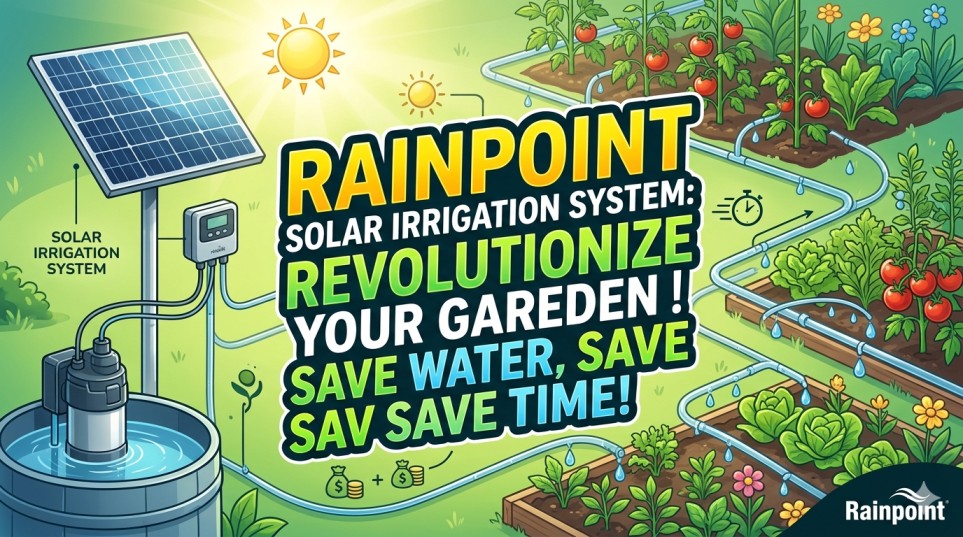
Ultimate Guide to Rainpoint Solar Irrigation System for Smart Gardening
Introduction
A rainpoint solar irrigation system is the perfect solution for modern gardeners who want to save time and energy while keeping their plants healthy. This rainpoint solar irrigation system uses renewable energy to automate the watering process, making it an eco-friendly choice for any outdoor space. If you are tired of manual watering, the rainpoint solar irrigation system offers a reliable way to ensure your plants get the right amount of water at the right time. In this guide, we will explore everything you need to know about the rainpoint solar irrigation system, from its key features to its installation process. By understanding how the rainpoint solar irrigation system works, you can transform your gardening routine into an efficient and sustainable practice. The rainpoint solar irrigation system is designed to handle various weather conditions, providing consistent performance throughout the growing season. Choosing a rainpoint solar irrigation system means investing in the longevity of your garden and the convenience of automation.
Why Choose a Rainpoint Solar Irrigation System?
The primary reason to invest in a rainpoint solar irrigation system is its ability to operate without traditional electricity. Because the rainpoint solar irrigation system relies on solar panels, you can install it in remote corners of your garden where power outlets are not available. This rainpoint solar irrigation system reduces your carbon footprint while also lowering your monthly utility bills. Additionally, the rainpoint solar irrigation system is incredibly versatile, supporting various plant types from vegetables to flowers. Many users prefer the rainpoint solar irrigation system because it prevents overwatering and underwatering, which are common mistakes in manual gardening. With a rainpoint solar irrigation system, you gain peace of mind knowing your plants are cared for even when you are away from home. The rainpoint solar irrigation system is built with durable materials that withstand intense sun and heavy rain. Overall, the rainpoint solar irrigation system is a smart investment for anyone looking to modernize their backyard or balcony garden.
Table 1: Power Source Comparison
| Power Type | Efficiency |
|---|---|
| Solar Energy | High Efficiency |
| Battery Only | Low Efficiency |
Key Features of the Rainpoint Solar Irrigation System
The rainpoint solar irrigation system comes packed with advanced technology designed for maximum plant health. One standout feature of the rainpoint solar irrigation system is its programmable timer, which allows for precise scheduling. This rainpoint solar irrigation system also includes high-quality tubing and emitters that distribute water evenly across all your pots. When you use a rainpoint solar irrigation system, you can easily adjust the flow rate to match the specific needs of different plant species. The solar panel of the rainpoint solar irrigation system is highly sensitive, charging effectively even on slightly cloudy days. Furthermore, the rainpoint solar irrigation system often features a water shortage alarm to prevent the pump from running dry. Every component of the rainpoint solar irrigation system is engineered to work together seamlessly for a hassle-free experience. Setting up your rainpoint solar irrigation system is straightforward, requiring no specialized tools or plumbing skills. This makes the rainpoint solar irrigation system accessible to both beginner and experienced gardeners alike.
Table 2: Durability Comparison
| Material Quality | Lifespan |
|---|---|
| Weatherproof Plastic | Long Lifespan |
| Standard Plastic | Short Lifespan |
How to Install Your Rainpoint Solar Irrigation System
Installing the rainpoint solar irrigation system is a rewarding DIY project that can be completed in under an hour. First, you need to find a sunny spot to mount the solar panel of your rainpoint solar irrigation system. Once the panel is secure, connect the main water line to the pump of the rainpoint solar irrigation system. You should then layout the distribution tubing from the rainpoint solar irrigation system to each individual plant container. Make sure to cut the tubing of the rainpoint solar irrigation system precisely to avoid any unnecessary leaks or kinks. After the tubing is laid out, attach the drip emitters provided with your rainpoint solar irrigation system. The final step in setting up your rainpoint solar irrigation system is to program the watering frequency and duration on the control unit. Testing the rainpoint solar irrigation system immediately after installation ensures that every plant is receiving adequate moisture. A well-installed rainpoint solar irrigation system will operate autonomously for months with minimal maintenance required.
Table 3: Installation Difficulty
| System Type | Ease of Setup |
|---|---|
| Solar Kit | Very Easy |
| Hardwired System | Very Difficult |
Optimizing Water Usage with Rainpoint Solar Irrigation System
One of the best advantages of the rainpoint solar irrigation system is its incredible water-saving potential. Unlike traditional sprinklers, the rainpoint solar irrigation system delivers water directly to the roots, minimizing evaporation. This focused delivery by the rainpoint solar irrigation system ensures that every drop is utilized by the plant effectively. You can further optimize the rainpoint solar irrigation system by scheduling watering during the early morning or late evening. This strategy allows the rainpoint solar irrigation system to nourish plants when temperatures are cooler and absorption is at its peak. Many gardeners find that using a rainpoint solar irrigation system reduces their water consumption by up to seventy percent. The rainpoint solar irrigation system is particularly beneficial in regions facing water restrictions or drought conditions. By relying on the rainpoint solar irrigation system, you contribute to global conservation efforts while maintaining a lush green space. Precision is the hallmark of a high-quality rainpoint solar irrigation system, ensuring no water goes to waste.
Table 4: Water Saving Performance
| Watering Method | Conservation Level |
|---|---|
| Drip Irrigation | Maximum Saving |
| Manual Hose | Minimum Saving |
Maintaining Your Rainpoint Solar Irrigation System
To keep your rainpoint solar irrigation system running smoothly, a little bit of regular maintenance goes a long way. You should periodically check the filter of the rainpoint solar irrigation system to ensure it is not clogged with debris. Cleaning the solar panel of the rainpoint solar irrigation system is also important to maintain its charging efficiency throughout the year. If you notice a drop in performance, inspect the tubing of the rainpoint solar irrigation system for any blockages or leaks. During winter months, it is often recommended to bring the internal components of the rainpoint solar irrigation system indoors to prevent freezing damage. Rechecking the programming of your rainpoint solar irrigation system as the seasons change will ensure your plants get the right amount of water. The rainpoint solar irrigation system is designed to be low-maintenance, but these small steps extend its operational life significantly. A well-maintained rainpoint solar irrigation system will serve your garden faithfully for many growing cycles. Consistency in care reflects the reliability of the rainpoint solar irrigation system itself.
Table 5: Maintenance Frequency
| Task Type | Required Interval |
|---|---|
| Panel Cleaning | Monthly Basis |
| Filter Check | Seasonal Basis |
Advanced Programming Tips for Rainpoint Solar Irrigation System
Mastering the settings of your rainpoint solar irrigation system can lead to even better growth results for your edible garden. The rainpoint solar irrigation system allows you to customize intervals from hours to days, depending on the plant’s needs. For delicate seedlings, you might set the rainpoint solar irrigation system to water more frequently but for shorter durations. On the other hand, established shrubs might only need the rainpoint solar irrigation system to run once every couple of days. Understanding the moisture requirements of your soil helps you calibrate the rainpoint solar irrigation system perfectly. The rainpoint solar irrigation system interface is intuitive, making it easy to make quick adjustments during a heatwave. If you add more plants to your collection, the rainpoint solar irrigation system can be expanded with additional tubing and drippers. Utilizing the full range of features in the rainpoint solar irrigation system ensures that no plant is left behind. Advanced users often experiment with different settings on their rainpoint solar irrigation system to find the “sweet spot” for their specific microclimate.
Common Troubleshooting for Rainpoint Solar Irrigation System
Even a high-quality device like the rainpoint solar irrigation system may occasionally encounter minor issues that are easy to fix. If the pump of your rainpoint solar irrigation system is not starting, first check if the solar panel is receiving enough sunlight. Sometimes, the battery of the rainpoint solar irrigation system needs a full day of direct sun to restart after a long period of darkness. If water is not reaching the end of the line, ensure that the rainpoint solar irrigation system tubing is not bent or pinched. Another common issue with the rainpoint solar irrigation system is clogged emitters, which can be cleaned by soaking them in warm water. Always verify that the water source for your rainpoint solar irrigation system is full and the intake hose is submerged properly. Most problems with the rainpoint solar irrigation system can be solved by referring to the user manual or checking the connections. The rainpoint solar irrigation system is built to be resilient, so usually, a simple adjustment restores full functionality. Keeping an eye on your rainpoint solar irrigation system helps you catch small issues before they affect your plants.
Conclusion
In conclusion, the rainpoint solar irrigation system is an essential tool for any modern gardener who values efficiency and sustainability. By automating the watering process, the rainpoint solar irrigation system removes the guesswork and physical labor associated with plant care. Throughout this article, we have seen how the rainpoint solar irrigation system saves water, uses renewable energy, and provides consistent results. Whether you are growing vegetables on a balcony or flowers in a backyard, the rainpoint solar irrigation system adapts to your unique needs. The initial setup of the rainpoint solar irrigation system is a small price to pay for the long-term benefits of a thriving garden. As technology continues to evolve, the rainpoint solar irrigation system remains at the forefront of smart gardening solutions. Investing in a rainpoint solar irrigation system is a step toward a greener future and a more beautiful home environment. We hope this guide has provided you with the confidence to start your journey with a rainpoint solar irrigation system today. Your plants will surely thank you for the steady and reliable care provided by the rainpoint solar irrigation system.