Understanding Semi Dwarf Fruit Trees Height: A Complete Gardener’s Guide
Introduction
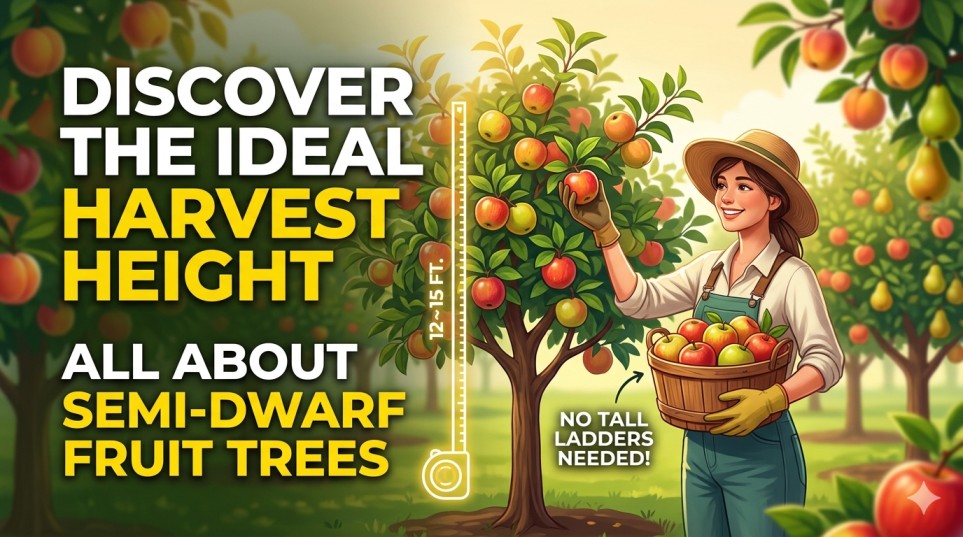
Choosing the right tree for your garden involves understanding various growth factors, especially the semi dwarf fruit trees height which plays a critical role in landscape planning. For many homeowners, the semi dwarf fruit trees height offers a perfect middle ground between massive standard trees and tiny dwarf varieties. When you research semi dwarf fruit trees height, you find that these trees are engineered through grafting to reach a specific size that is manageable yet productive. The semi dwarf fruit trees height typically ranges from 12 to 15 feet, making them ideal for backyard orchards where space is a consideration but maximum yield is still desired. Understanding the semi dwarf fruit trees height helps in determining how much space you need between plantings and how much sunlight each branch will receive. In this detailed guide, we will explore everything related to semi dwarf fruit trees height, from its benefits to the maintenance required to keep the trees within their expected size limits. By the end of this article, you will be an expert on managing semi dwarf fruit trees height for a healthy and bountiful harvest.
The Basics of Semi Dwarf Fruit Trees Height
The concept of semi dwarf fruit trees height is rooted in the science of rootstocks, where a specific root system limits the vertical growth of the scion. Unlike standard trees that can tower over 25 feet, the semi dwarf fruit trees height stays within a reachable limit for most gardeners using a small ladder. Maintaining the semi dwarf fruit trees height is essential for ensuring that the tree does not become top-heavy or difficult to spray for pests. Many people prefer the semi dwarf fruit trees height because it allows for high-density planting without the trees shading each other out. If you understand the semi dwarf fruit trees height, you can better plan your garden layout to include more variety in a smaller square footage. The semi dwarf fruit trees height is the primary reason why these trees have become the standard choice for modern home orchards across the country.
| Tree Category | Average Vertical Reach |
|---|---|
| Standard Fruit Tree | 20 to 30 Feet |
| Semi Dwarf Fruit Trees Height | 12 to 15 Feet |
Factors Influencing Semi Dwarf Fruit Trees Height
Several environmental factors can actively influence the final semi dwarf fruit trees height in your specific geographic location. Soil quality is a major contributor, as nutrient-rich soil might push the semi dwarf fruit trees height toward the upper limit of 15 feet or slightly more. Conversely, poor soil or lack of consistent watering can stunt the semi dwarf fruit trees height, preventing the tree from reaching its full potential. The semi dwarf fruit trees height is also affected by the amount of daily sunlight the tree receives during its peak growing years. Pruning practices are perhaps the most significant human intervention that determines the semi dwarf fruit trees height over a long period. By learning how to prune correctly, you can effectively manage the semi dwarf fruit trees height to suit your personal harvesting preferences and tool availability.
Why Semi Dwarf Fruit Trees Height Matters for Harvest
The semi dwarf fruit trees height is directly linked to how easily you can collect your fruit once it ripens in the autumn. Because the semi dwarf fruit trees height is limited, you spend less time on tall, dangerous ladders and more time safely picking fruit from the ground or a step stool. This manageable semi dwarf fruit trees height also ensures that the fruit in the center of the canopy gets enough airflow and light to ripen evenly. If the semi dwarf fruit trees height were any taller, the fruit at the very top might be neglected and left to rot, attracting unwanted pests. Most commercial growers appreciate the semi dwarf fruit trees height because it balances the need for a large crop with the practicalities of labor-efficient picking. Therefore, the semi dwarf fruit trees height is a key metric for anyone looking to maximize their food production efficiency.
| Harvesting Factor | Impact of Height |
|---|---|
| Ladders Required | Short or Medium Step Ladders Only |
| Safety Risk | Low due to manageable height levels |
Spacing Requirements and Semi Dwarf Fruit Trees Height
When you are digging holes for your new orchard, the semi dwarf fruit trees height dictates exactly how far apart each sapling should be placed. Generally, the rule of thumb is that the spacing should roughly match the semi dwarf fruit trees height to prevent root competition and overlapping branches. If you ignore the semi dwarf fruit trees height when spacing, you may find that your trees grow into one another, creating a wall of foliage that blocks the sun. Properly accounting for semi dwarf fruit trees height allows for better air circulation, which is vital for preventing fungal diseases. Most experts suggest a 15-foot gap between trees to accommodate the natural spread associated with the semi dwarf fruit trees height. Planning your rows based on the semi dwarf fruit trees height ensures a professional-looking and high-yielding garden for years to come.
Pruning Techniques to Control Semi Dwarf Fruit Trees Height
Pruning is the most effective way to maintain a consistent semi dwarf fruit trees height throughout the life of the tree. Yearly dormant pruning helps in shaping the canopy and preventing the semi dwarf fruit trees height from exceeding your reach. By cutting back the leading vertical branches, you encourage the tree to put more energy into horizontal growth rather than increasing the semi dwarf fruit trees height. Summer pruning is another technique used to slow down the vigor of the tree and keep the semi dwarf fruit trees height under strict control. If a tree is left unpruned, the semi dwarf fruit trees height might slowly creep upward, making it behave more like a standard tree over time. Consistently managing the semi dwarf fruit trees height through careful cuts will keep the tree productive and easy to handle.
| Pruning Season | Effect on Tree Height |
|---|---|
| Winter Pruning | Encourages vigorous growth and shape |
| Summer Pruning | Reduces vigor and limits height extension |
The Role of Rootstocks in Semi Dwarf Fruit Trees Height
It is important to understand that semi dwarf fruit trees height is determined by the specific rootstock used during the grafting process. Different rootstocks provide different levels of dwarfing, which ultimately sets the maximum semi dwarf fruit trees height. For instance, an M7 rootstock is commonly used to achieve a standard semi dwarf fruit trees height for apple trees in various climates. Without these specialized roots, the semi dwarf fruit trees height would be unpredictable and likely much taller than desired. When purchasing your trees, always ask the nursery which rootstock was used so you can accurately predict the semi dwarf fruit trees height. Understanding the science behind the semi dwarf fruit trees height gives you more control over your long-term landscaping goals and prevents future surprises.
Comparing Dwarf vs. Semi Dwarf Fruit Trees Height
Many beginners confuse dwarf and semi dwarf fruit trees height, but there is a significant difference in their physical stature and fruit volume. A true dwarf tree is much shorter, while the semi dwarf fruit trees height allows for a much larger canopy and more fruit-bearing wood. While a dwarf tree might only reach 8 feet, the semi dwarf fruit trees height provides a more robust structure that can withstand wind better. The semi dwarf fruit trees height also means the tree has a larger root system, making it more drought-tolerant than the smaller dwarf options. Choosing the semi dwarf fruit trees height over a dwarf variety is often a better choice for those who have a bit more space and want a larger harvest. Ultimately, the semi dwarf fruit trees height offers the best balance of longevity and manageable size for the average gardener.
| Tree Type | Stability Level |
|---|---|
| Dwarf Tree | Requires Staking for Life |
| Semi Dwarf Tree | Self-Supporting once established |
Longevity and Health of Semi Dwarf Fruit Trees Height
The health of your tree is often reflected in how it maintains its semi dwarf fruit trees height over several decades of growth. Generally, trees kept at a semi dwarf fruit trees height live longer than true dwarf trees because they have a more substantial trunk and root base. Maintaining the semi dwarf fruit trees height allows the tree to focus its energy on fruit production rather than just surviving environmental stress. If a tree grows too fast and exceeds its expected semi dwarf fruit trees height, it may become susceptible to certain diseases or structural failure. Keeping a close eye on the semi dwarf fruit trees height helps you spot growth spurts that might indicate a need for more or less fertilization. The long-term success of your orchard depends on your ability to monitor and regulate the semi dwarf fruit trees height as the tree matures.
Soil and Water Management for Semi Dwarf Fruit Trees Height
To reach the ideal semi dwarf fruit trees height, a tree needs consistent moisture and a balanced diet of minerals from the soil. Deep watering is necessary to support the larger root system required for a semi dwarf fruit trees height of 15 feet. If the soil is too dry, the semi dwarf fruit trees height will be significantly reduced, and the fruit quality will suffer. Mulching around the base is a great way to keep the roots cool and provide the stability needed for the semi dwarf fruit trees height. Over-fertilizing can sometimes cause a tree to shoot up too quickly, leading to a semi dwarf fruit trees height that is spindly and weak. Balancing nutrients ensures that the semi dwarf fruit trees height develops with strong wood that can support the weight of a heavy crop.
| Growth Requirement | Impact on Success |
|---|---|
| Nitrogen Levels | Drives leaf growth and vertical height |
| Potassium Levels | Supports fruit quality and root health |
Conclusion
In summary, the semi dwarf fruit trees height is one of the most important considerations for any home orchardist or professional fruit grower. By understanding that the semi dwarf fruit trees height usually settles between 12 and 15 feet, you can plan a garden that is both beautiful and highly productive. We have seen how the semi dwarf fruit trees height is influenced by rootstock selection, pruning techniques, and environmental conditions like soil and water. Managing the semi dwarf fruit trees height effectively allows for easier harvesting, better pest control, and a safer working environment for the gardener. While they require more space than dwarf varieties, the semi dwarf fruit trees height provides a much higher yield and a longer-lived tree. Investing time in learning about semi dwarf fruit trees height ensures that your investment in your garden will pay off for many years to come. Whether you are planting apples, peaches, or pears, keeping the semi dwarf fruit trees height in mind is the secret to a thriving and manageable backyard orchard.