Mastering Your Garden Grid Watering System DIY Project
Introduction to Garden Grid Watering System DIY
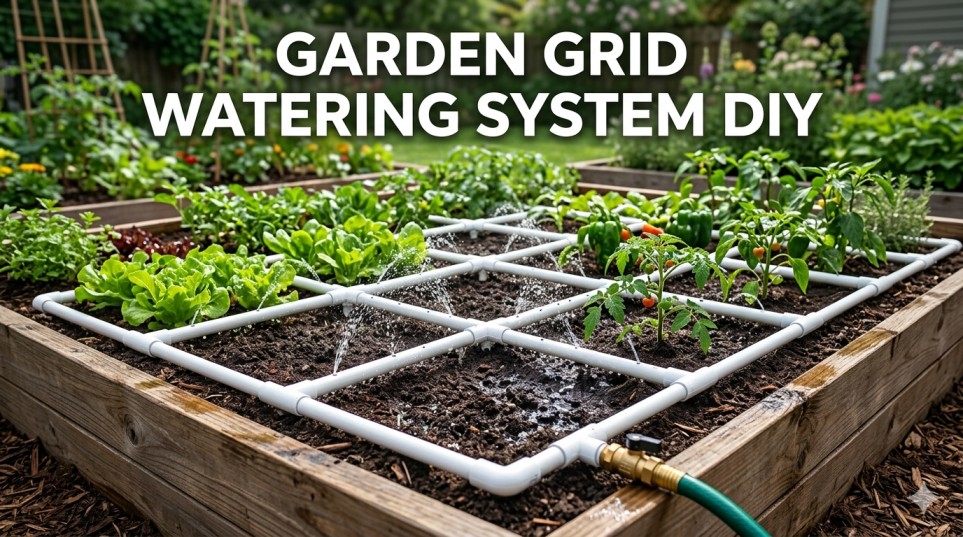
Starting a garden grid watering system DIY project is one of the most rewarding steps any gardener can take to ensure a healthy and thriving harvest. A garden grid watering system DIY allows you to deliver water directly to the roots of your plants, minimizing evaporation and preventing common fungal diseases caused by wet leaves. When you build a garden grid watering system DIY, you are taking control of your water conservation efforts while saving a significant amount of time during the busy growing season. Many people find that a garden grid watering system DIY is the perfect solution for raised beds or square foot gardening setups because it provides uniform coverage across the entire planting area. This detailed guide will walk you through every step of creating a garden grid watering system DIY from scratch, ensuring that your plants receive the exact amount of moisture they need to flourish throughout the year.
Why Choose a Garden Grid Watering System DIY Approach?
Choosing a garden grid watering system DIY approach offers flexibility that store-bought kits often lack. With a garden grid watering system DIY, you can customize the dimensions of the pipes to fit your specific raised bed size perfectly. A garden grid watering system DIY is also much more cost-effective than professional irrigation installations, making it accessible for home gardeners on a budget. Furthermore, a garden grid watering system DIY reduces water waste by targeting the soil rather than spraying the air. By assembling a garden grid watering system DIY, you gain a deeper understanding of how your garden functions, allowing you to make quick repairs or adjustments as your plants grow. Every garden grid watering system DIY is a testament to sustainable gardening practices that prioritize efficiency and plant health.
Essential Materials for Your Garden Grid Watering System DIY
Before you begin your garden grid watering system DIY, you must gather the right materials to ensure a leak-proof setup. For a standard garden grid watering system DIY, you will typically need 1/2-inch PVC pipes, various PVC connectors like tees and elbows, and a drill with a small bit for creating water holes. A garden grid watering system DIY also requires PVC cement to secure the joints and a garden hose adapter to connect the grid to your water source. Don’t forget that a garden grid watering system DIY works best when you include a shut-off valve for manual control. Having all your supplies ready before starting the garden grid watering system DIY will make the assembly process smooth and enjoyable. Every component in a garden grid watering system DIY plays a vital role in maintaining consistent water pressure across the entire grid.
Comparing Pipe Materials
| Material Type | Benefit for Grid |
|---|---|
| PVC Piping | Rigid and durable for permanent beds |
| PEX Tubing | Flexible and easy to curve in odd spaces |
Planning the Layout of Your Garden Grid Watering System DIY
The planning phase of a garden grid watering system DIY is crucial for achieving even water distribution. You should measure your garden beds carefully before cutting any pipes for your garden grid watering system DIY. A well-designed garden grid watering system DIY usually follows a square or rectangular pattern that mirrors the dimensions of your planting area. Ensure that the holes in your garden grid watering system DIY are spaced roughly 6 to 12 inches apart, depending on the density of your crops. If you plan your garden grid watering system DIY correctly, you can avoid dry spots where plants might struggle to survive. Mapping out the garden grid watering system DIY on paper first helps you visualize where the connectors will go and how much piping you need to purchase. A thoughtful layout is the foundation of a successful garden grid watering system DIY.
Assembling the Main Frame of the Garden Grid Watering System DIY
Once your pipes are cut, it is time to assemble the main frame of your garden grid watering system DIY. Start by dry-fitting the pieces of your garden grid watering system DIY to ensure everything aligns with your garden bed edges. During this stage of the garden grid watering system DIY, you can make adjustments to the lengths if the fit is too tight or too loose. After confirming the fit, apply PVC glue to the joints of the garden grid watering system DIY for a permanent, waterproof seal. Working in a well-ventilated area is important when gluing your garden grid watering system DIY components together. As the frame of the garden grid watering system DIY takes shape, you will see how easy it is to manage a large garden area with one central connection point. A sturdy frame ensures that your garden grid watering system DIY remains functional for many seasons to come.
Choosing Connection Methods
| Connection Style | Usage Scenario |
| Glued Joints | Permanent and leak-proof installations |
| Threaded Fittings | Easy to disassemble for winter storage |
Drilling the Precision Holes in Your Garden Grid Watering System DIY
The efficiency of your garden grid watering system DIY depends largely on how you drill the emission holes. Use a very small drill bit, such as 1/16-inch, to create holes in the bottom side of your garden grid watering system DIY pipes. It is essential to keep the spacing consistent throughout the garden grid watering system DIY to maintain even pressure. If the holes in your garden grid watering system DIY are too large, the water will drain too quickly at the start of the grid, leaving the end dry. Pointing the holes downward in your garden grid watering system DIY prevents water from spraying into the air and evaporating. Take your time during this part of the garden grid watering system DIY construction, as precision is key to a high-performing irrigation tool. A carefully drilled garden grid watering system DIY will provide a gentle, soaking flow that mimics natural rainfall at the soil level.
Connecting the Garden Grid Watering System DIY to Water Sources
Connecting your garden grid watering system DIY to a hose or timer is the final step in the physical assembly. You will need a female hose swivel adapter to link the garden grid watering system DIY to your standard garden hose. Installing a pressure regulator on your garden grid watering system DIY can prevent the PVC joints from bursting under high city water pressure. Many gardeners also choose to add a simple battery-operated timer to their garden grid watering system DIY for automated watering schedules. This automation turns your garden grid watering system DIY into a hands-free solution for busy mornings. Once the connection is secure, turn on the water slowly to test the garden grid watering system DIY for any leaks or blocked holes. A reliable connection ensures that your garden grid watering system DIY is always ready to perform when your plants are thirsty.
Pressure Management Comparison
| Device Type | Purpose in Grid |
| Pressure Regulator | Protects pipes from high-pressure damage |
| Backflow Preventer | Keeps garden water out of drinking supply |
Maintenance and Troubleshooting Your Garden Grid Watering System DIY
To keep your garden grid watering system DIY in top shape, regular maintenance is required throughout the growing season. Dirt or mineral deposits can sometimes clog the small holes in your garden grid watering system DIY, so check the flow periodically. If you notice a drop in performance, you can use a small needle to clear any blockages in the garden grid watering system DIY emitters. During the winter, it is vital to drain all the water from your garden grid watering system DIY to prevent the pipes from cracking in freezing temperatures. Storing your garden grid watering system DIY in a shed or garage will prolong its lifespan significantly. A little bit of care goes a long way in making sure your garden grid watering system DIY serves you well year after year. Troubleshooting your garden grid watering system DIY is usually a simple task of checking connections and clearing debris.
Winterization Steps
| Action Step | Reason for Action |
| Drain Water | Prevents ice from expanding and breaking PVC |
| Store Indoors | Protects plastic from UV and extreme cold |
Advanced Tips for Your Garden Grid Watering System DIY
Once you are comfortable with your basic garden grid watering system DIY, you can explore advanced features like zone control. By adding valves to different sections of your garden grid watering system DIY, you can water specific crops more or less than others. For example, tomatoes in one section of your garden grid watering system DIY might need more water than herbs in another section. You can also integrate a fertilizer injector into your garden grid watering system DIY to feed your plants while you water them. Experimenting with the garden grid watering system DIY layout can help you accommodate different plant spacings as you rotate your crops. A garden grid watering system DIY is a modular project that can grow and change along with your gardening expertise. The possibilities for upgrading a garden grid watering system DIY are nearly endless for the dedicated hobbyist.
Comparison of Watering Methods
| Method | Efficiency Level |
| Overhead Sprinkler | Low efficiency due to evaporation |
| Garden Grid DIY | High efficiency due to root targeting |
Conclusion: The Future of Your Garden Grid Watering System DIY
In conclusion, building a garden grid watering system DIY is an investment in the long-term health and productivity of your home garden. By following the steps outlined in this guide, you have learned how to plan, assemble, and maintain a garden grid watering system DIY that meets your specific needs. A garden grid watering system DIY not only saves water but also provides the consistency that plants crave for optimal growth. Whether you are a beginner or an experienced gardener, a garden grid watering system DIY simplifies the daily chores associated with plant care. As you watch your garden flourish, you will appreciate the effort put into your garden grid watering system DIY project. Remember that a garden grid watering system DIY can be modified and improved over time to match the changing landscape of your backyard. Enjoy the ease and efficiency that comes with a high-quality garden grid watering system DIY and happy gardening to everyone embarking on this project.